In Richford, a Francophone Thread Finds Its Audience One Borrowed Card at a Time
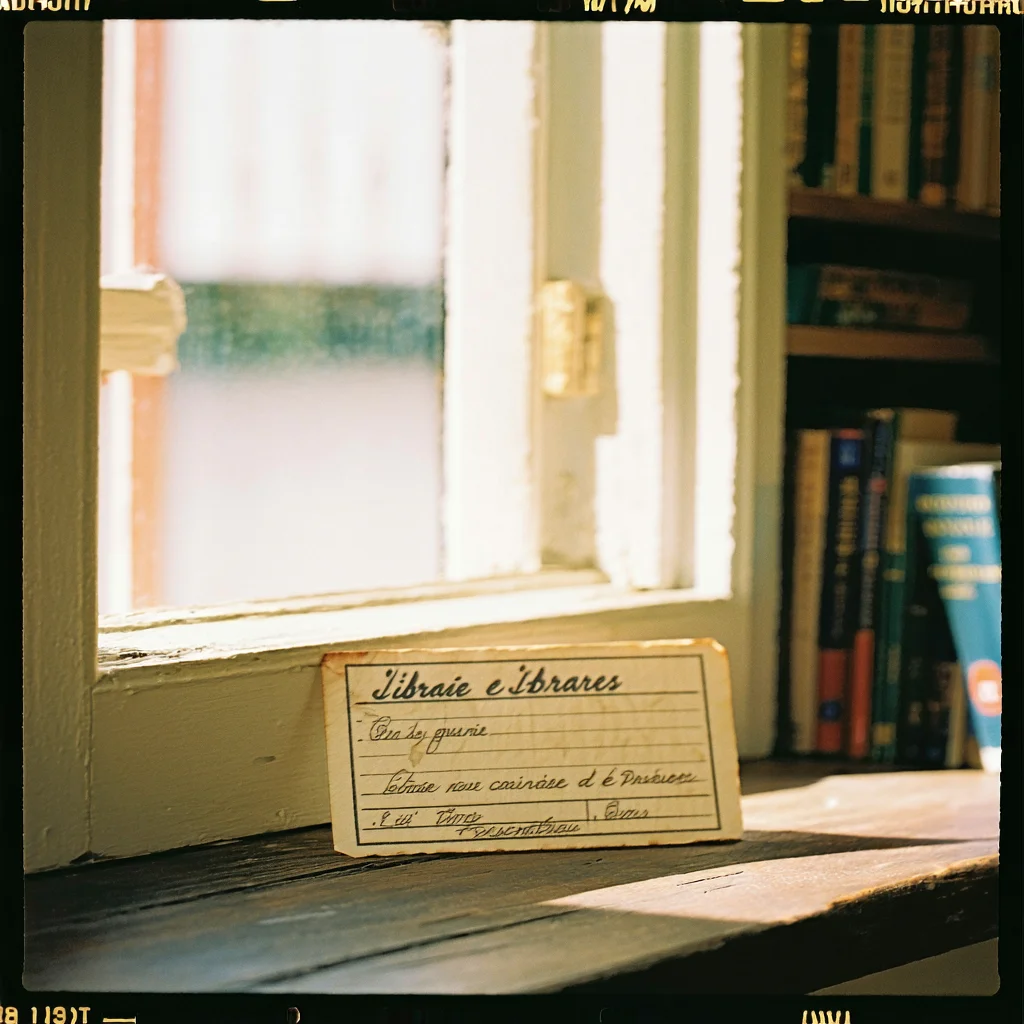
A third Richford resident has borrowed the library's back-catalogue media card for 'Nous Sommes RONA / We Are RONA' — and this time, they asked for Episode Two first. Staff member Colette Aubin-Roy sees something quiet and significant in that detail.
RICHFORD, Vermont — Colette Aubin-Roy didn't make a big deal of it. She noted it the way a careful librarian notes everything: with attention, without alarm. A neighbour had recommended the series. The patron wanted Episode Two.
“Not Episode One,” Aubin-Roy said, with a small smile that suggested she found this worth thinking about. “Episode Two. The Montreal one. That was the one they'd heard about.”
Richford sits close enough to the old Quebec border that French still hums in the background of daily life here — in signage, in surnames, in the way certain conversations switch registers mid-sentence without anyone noticing. It is, in other words, exactly the kind of place where the francophone thread running through Nous Sommes RONA / We Are RONA might pull differently than it does elsewhere in Vermont.
The documentary series — released in staggered offline formats to reach communities with patchy connectivity — has been circulating through Richford's public library on a small inventory of media cards, each loaded with Episodes One through Three. Two have already come back. A third is now out with this latest borrower. Aubin-Roy has one card left on the shelf and is quietly weighing whether to prepare a fourth.
“I don't like to run out,” she said. “If someone comes in and there's nothing to lend, that's a conversation that didn't happen.”
What is notable isn't the numbers — three borrowers is not a movement — but the shape of how the series is travelling. Word of mouth, neighbour to neighbour, and not along the expected path. Episode Two, which follows residents of Montreal's francophone neighbourhoods navigating identity and belonging in RONA's newest and most linguistically complicated major city, was not assumed to be the entry point for general audiences. Episode One carries that burden by design.
But here, near what used to be a border crossing, the Montreal episode is the one being talked about over back fences.
“It makes sense when you think about it,” Aubin-Roy said. “People here have cousins in Sutton. They know someone who moved to Montreal in 2037. The series is speaking to something they already know, even if they've never put words to it.”
She was careful not to overstate it. The library is a small one. The card inventory is modest. But Aubin-Roy has worked in this building long enough to know that a patron who arrives with a specific request — not “what do you have?” but “do you have Episode Two?” — is carrying a conversation that started somewhere else, and will continue somewhere else after the card comes back.
“Not all at once,” she said. “Quietly. That's how things find their audience here.”