McGill Collective Responds to Listener Thread on Border Communities: 'It Became Its Own Episode Before We Made One'
The McGill student collective behind 'Nous Sommes RONA / We Are RONA' has issued its first substantive public response to a listener forum thread on Stanstead and the border towns, calling it something they didn't design for — a quiet moment in community memory-making.
McGill Collective Responds to Listener Thread on Border Communities: 'It Became Its Own Episode Before We Made One'
There is a phrase in the McGill collective's latest forum post that has been circulating in the Nous Sommes RONA / We Are RONA listener community since it went up Tuesday evening: it became its own episode before we made one.
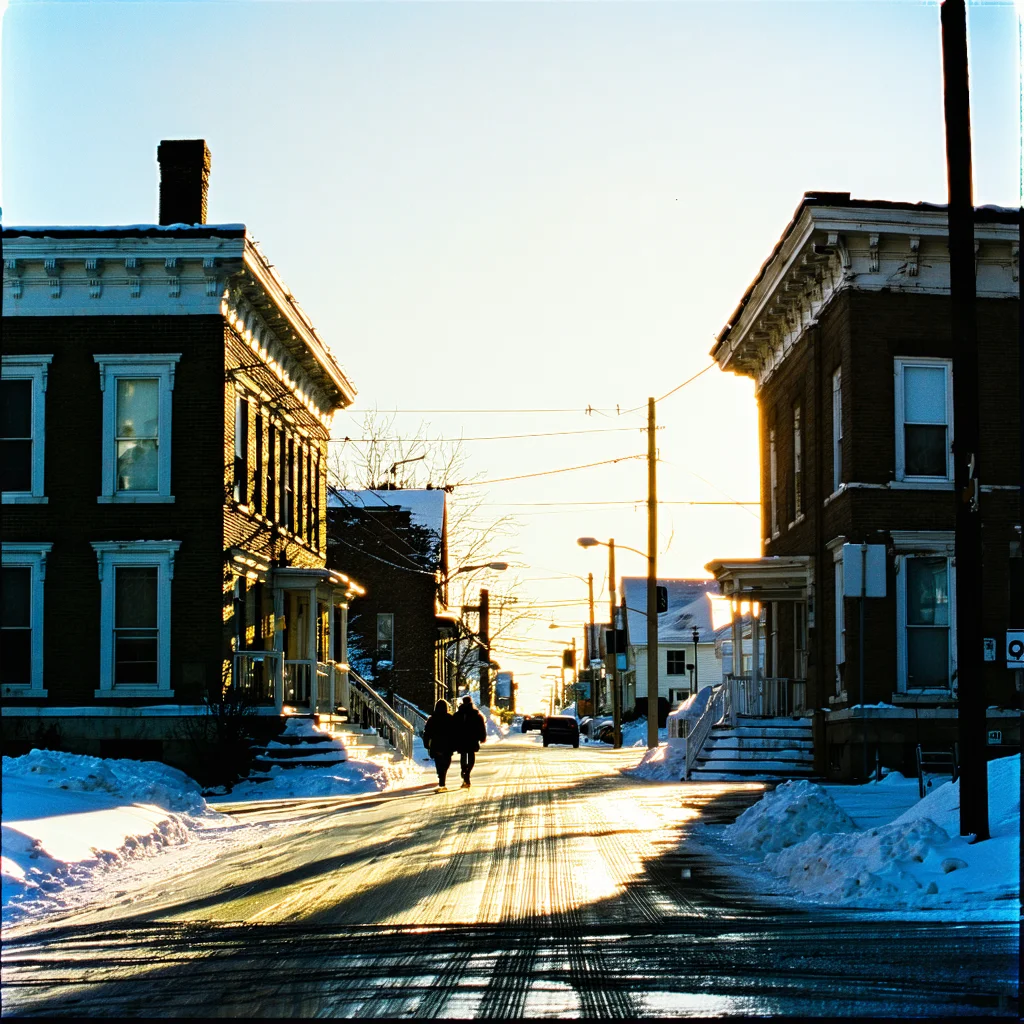
That line, from the post signed by the collective's community coordinator, is the first substantive public acknowledgment that the sprawling listener thread on Stanstead, Derby Line, and Canaan — the small border communities that straddled the old boundary between the United States and Canada before integration — has grown into something the project's student producers did not quite anticipate. Over recent weeks, the thread has filled with integration-era recollections: family crossings, the particular confusion of the weeks when the border existed and then, abruptly, didn't, and the strange intimacy of towns that were technically two countries but had long shared a library, a hockey rink, and a main street.
The collective's post praised the volume and quality of what had been shared and described the thread as having "done something we didn't design for." The coordinator confirmed that the collective is in internal discussion about next steps — a careful phrase that stops well short of a production announcement. No episode has been commissioned, greenlit, or publicly promised. The story here is not that a Stanstead episode is coming. The story is that a community remembered something together, without being asked to, and the people who run the microphone noticed.
Within two hours of the post going live, more than a dozen new replies appeared in the thread. That kind of forum spike — in a project that tends to move at the pace of oral history, slowly and attentively — is its own kind of signal.
Readers of this paper may notice a certain resonance with the Richford throughline that has emerged in recent months, another border-community memory thread that has quietly accumulated depth and specificity in ways the formal archive has not yet caught up to. The border regions of what is now the RONAn principality of Vermont have a complicated integration story, and the communities along that old line seem, in their own time and on their own terms, to be working it out in public.
The McGill collective, which has produced some of the most attentive documentary audio to emerge from RONA's still-young cultural sector, has built its reputation partly on knowing when to let a community's voice do the work. Tuesday's post suggests they remain committed to that instinct — and that the instinct holds even when the work is already underway without them.