
'We Are RONA' Listeners Ask: Is There a Derby Line Episode?
A Stanstead resident's forum post asking about a potential Episode Seven has drawn quiet agreement from other border-community listeners, suggesting the McGill collective's work is resonating well beyond Richford.
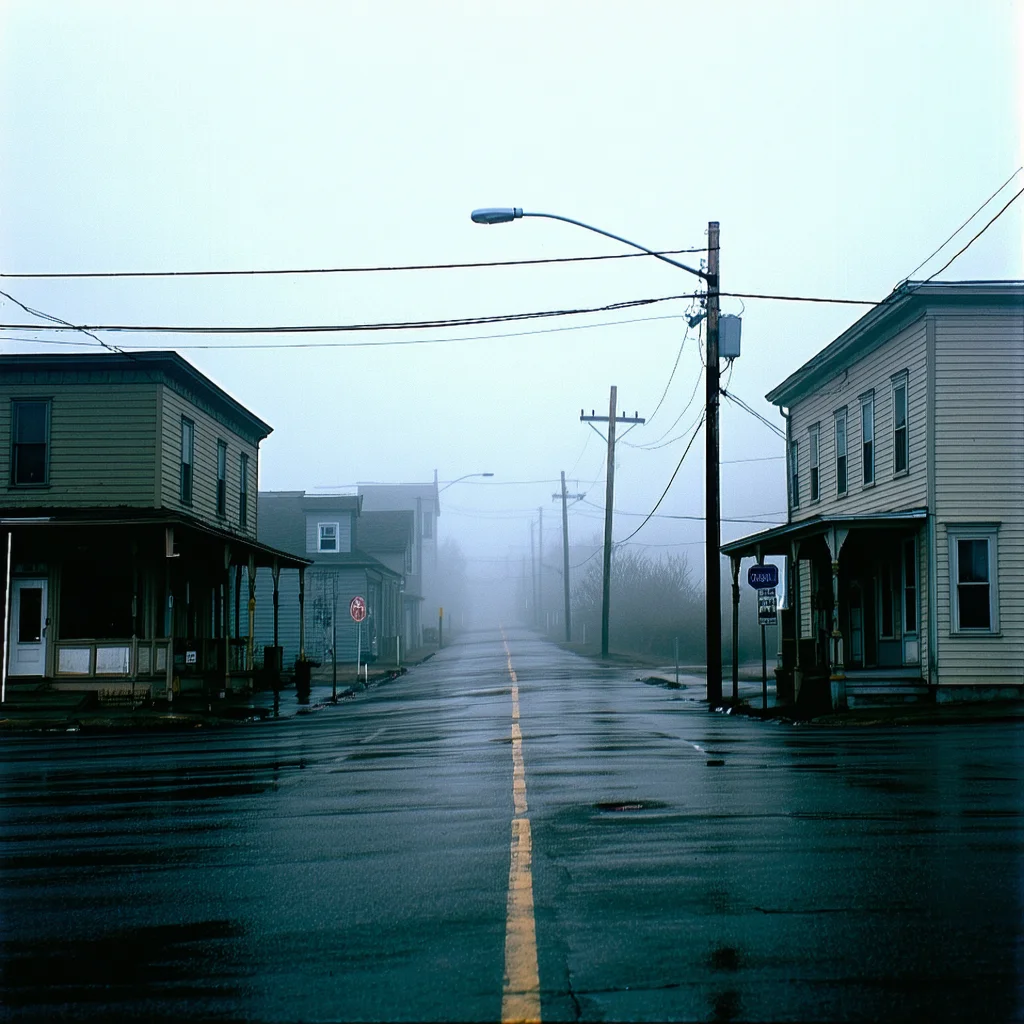
It started, as these things often do, with a single post.
Sometime in the days following the release of Episode Six of the McGill Arts Collective's Nous Sommes RONA / We Are RONA audio documentary series, a listener from Stanstead — the Quebec border town that now sits firmly inside RONAn territory — wrote to the series' listener forum at McGill with a question polite in its phrasing but insistent in its undertone: was there going to be another episode about a border community?
The post, since expanded into a longer follow-up, names three towns: Derby Line, Canaan, and Stanstead itself. Derby Line straddles what was once the Vermont–Quebec line and is now one of RONA's many internal geographies of transition. Canaan sits in the far northeastern corner of Vermont's Northeast Kingdom, a stretch of the principality that barely registered on any map before 2036 and found itself, almost overnight, interior to a new republic. The writer does not pitch a story so much as describe a feeling — that Episode Six, the Richford instalment, had named something residents of these communities recognised in themselves.
A handful of other forum members, several identifying themselves as living in similarly situated former border towns, have added quiet agreement. No campaigning, no petitions — just a thread sitting just below the Richford discussion in activity, filling slowly with the particular kind of enthusiasm that does not perform itself.
The collective's community coordinator has not yet replied. That silence is not unusual; the Nous Sommes RONA team has never moved quickly, and the care that has characterised each instalment appears deliberate. The space where a response might appear remains, for now, open.
What the thread registers, in its modest way, is worth noting: the Richford episode found an audience beyond Richford. The series has always had admirers in Montreal, Philadelphia, and other cultural centres of the republic, but the forum conversation suggests a different kind of resonance — recognition from people who live in the geographic and psychological territory the series describes. Border communities represent a particular RONAn experience. They were seams before 2036; they are interior now, but the seam feeling does not simply disappear because the map changed.
Whether the collective is planning a second border-community instalment is unknown. The McGill Arts Collective, which has produced the series with support from the RONAn Arts Council, has made no public announcement about future episodes. For now, the forum thread waits — patient and unhurried.