
Vermont Dairy Co-op Signs First Direct EU Export Deal
Eleven Vermont farms will ship roughly 4,000 tonnes of aged cheese annually to an EU buyers' consortium in a pilot deal valued in the low tens of millions of euros. Volumes are subject to annual review, and cooperative spokespeople say scale will decide whether the arrangement endures.
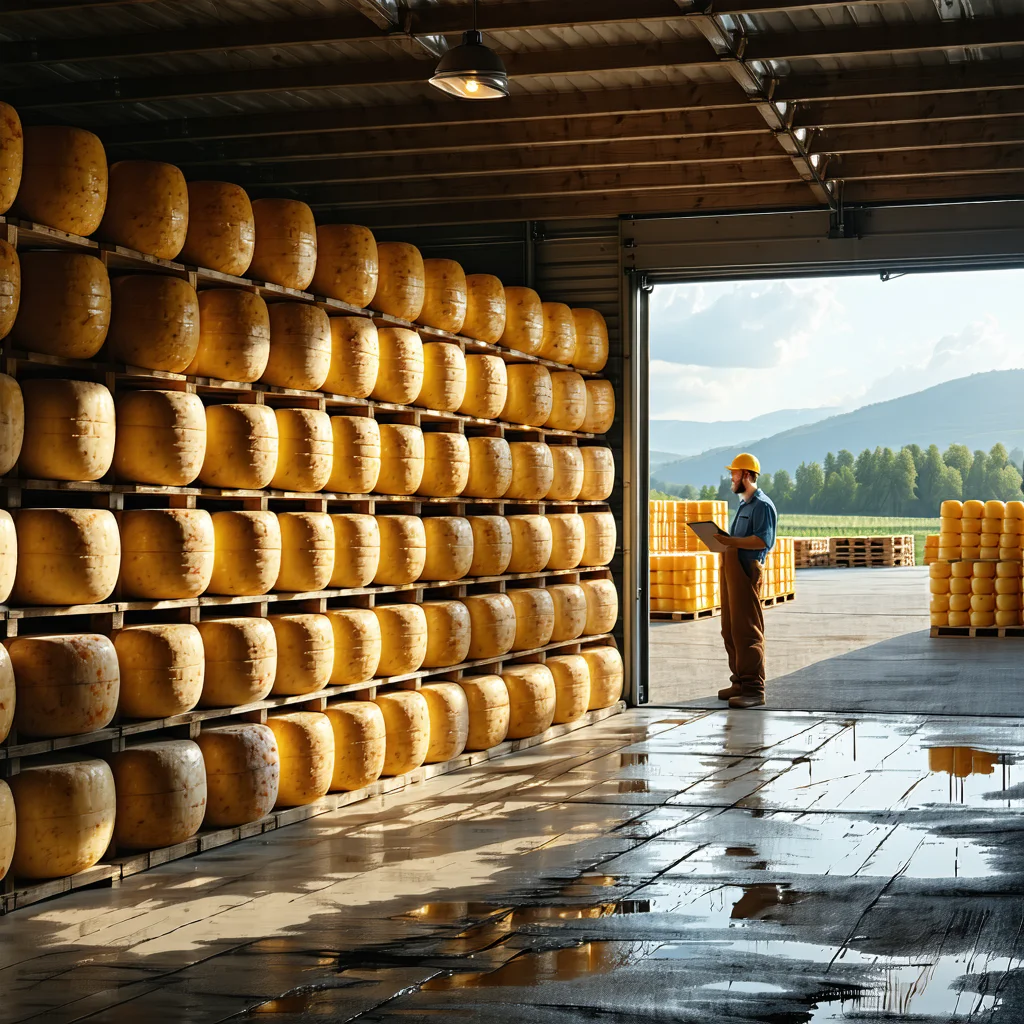
UNDERHILL, Vermont — A cooperative of eleven Vermont dairy farms has finalized a pilot export agreement with a European Union agricultural buyers' consortium, the first direct RONAn dairy export to the EU since sovereignty, according to the cooperative and a cooperative official with knowledge of the negotiations.
The deal covers roughly 4,000 tonnes of aged cheese annually and is valued in the low tens of millions of euros, the cooperative said. Volumes are subject to annual review, a clause both sides described as standard for a first arrangement of this kind.
The figures are small against the broad sweep of RONAn trade. RONA's dairy sector produces hundreds of thousands of tonnes of cheese a year, and the EU remains among the republic's most important commercial partners under the trade framework that followed the 2036 security guarantee. But the agreement is notable for what it is: a direct farm-to-buyer channel into the EU, rather than the layered brokerage and re-export arrangements that have characterized much of RONA's dairy trade since sovereignty.
"This is a pilot, and we're treating it as one," said a cooperative spokesperson, who described the arrangement as "a first step in proving that Vermont aged cheese can move directly into European retail channels at a predictable quality and price." The spokesperson declined to name the EU consortium's members, citing commercial confidentiality.
Asked what volumes would make the arrangement durable, the spokesperson said the cooperative would need to see annual shipments "several times" the current 4,000-tonne figure before it would consider dedicated aging capacity and long-term supply contracts. "At pilot scale, we're learning the logistics and the certification requirements," the spokesperson said. "At three or four times this volume, the economics change for the farms."
Dr. Amira Hassan, chief economist at the RONAn Treasury, speaking on background, cautioned against reading the deal as a signal of broader trade momentum. "It's a genuine first, and firsts matter for the relationship," she said. "But 4,000 tonnes is a rounding error in the aggregate. The question is whether the annual-review clause becomes a ratchet upward or a polite exit."
The EU Trade Commissioner's office did not respond to a request for comment by publication time. The RONAn Chamber of Commerce welcomed the agreement in a brief statement, calling it "a useful proof of concept for direct agricultural trade with European partners."
Prof. Daniel Moreau of McGill University, who studies monetary and trade economics, said the deal's significance lies less in its value than in its structure. "Direct buyer relationships are stickier than spot sales," he said. "If the consortium is satisfied after year one, the review clause becomes a platform for expansion. If not, it's a one-year experiment. Either way, it's a test of whether RONAn producers can meet EU standards at scale — and that's the real question for the sector."
The cooperative said first shipments are expected in the first quarter of 2043, pending final certification of aging facilities.