Richford's Cork Board Goes Cross-Border: Aubin-Roy's Method Travels North
After Episode Six sparked a listener forum surge, Stanstead residents reached out directly to the Richford Public Library — no institution required. Colette Aubin-Roy's reply was characteristically simple: a cork panel and a box of pins.
Richford's Cork Board Goes Cross-Border: Aubin-Roy's Method Travels North
On Tuesday morning, Colette Aubin-Roy opened a message she hadn't expected.
It came from a small group of residents in Stanstead, Québec — the former border town that, like Richford on the Vermont side, spent years navigating the slow and often awkward process of integration into the Republic of New America. They had heard Episode Six of the McGill oral history collective's podcast. They had read the listener forum. They wanted to know how Aubin-Roy, as chair of the Richford Public Library board, had learned to work the Nous Sommes RONA / We Are RONA submission process — the participatory heritage program that the Richford library had used to gather and preserve community integration stories.
Her reply, shared with the Ronan Times this week, ran to roughly four paragraphs. The first three were practical. The fourth was warmer.
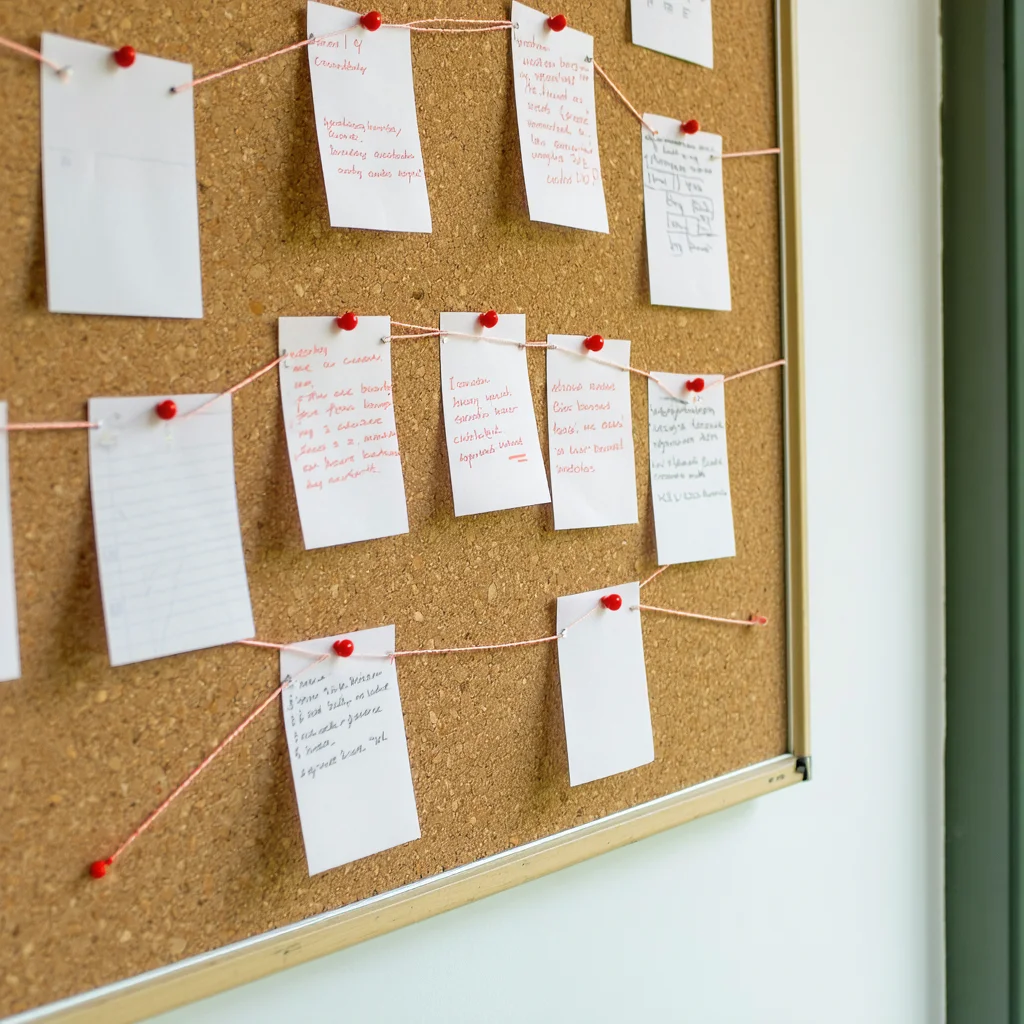
"I told them the honest truth," Aubin-Roy said Wednesday. "Which is that we didn't know what we were doing at first. The submission process has a lot of forms. It can look more official than it is. But the part that actually worked — the part that got people talking — was a cork panel in the library's front hallway and a box of pins. That's it. Anyone can do that."
The exchange has not involved the McGill oral history collective, which produced Episode Six. There have been no organizational introductions, no formal partnerships proposed, no grants applied for. A group of people in one former border town simply wrote to a library board chair in another. She wrote back. The model, as Aubin-Roy frames it, is something that belongs to no one in particular.
That quality — ungoverned, unsponsored, neighborly — is what makes the exchange worth noting.
The listener forum thread that preceded it has now crossed fifty replies, with contributors from Stanstead, Derby Line, and Canaan increasingly using it not to comment on the podcast but to share their own integration-era memories directly. What began as an audience response to an oral history project has become, quietly, something like an oral history project itself. Aubin-Roy's correspondence with Stanstead happened separately from that thread — generated by the episode's resonance, but traveling through no channel that anyone built for it.
"These towns lived the same years," she said. "Derby Line and Richford and Stanstead — we were all trying to figure out what we were now, what to keep, what the kids would remember. It makes sense that people want to compare notes. It just took a podcast episode for the excuse to arrive."
Whether the Stanstead group will pursue a formal heritage submission of their own remains unclear. Aubin-Roy said she offered to keep corresponding and left it at that.
"I didn't want to make it into a project," she said. "Sometimes a letter is just a letter."