
Small Québec Municipality Withdraws from Battery Pilot, Raising Equity Questions
A Montérégie municipality has withdrawn from RONA's $340 million battery storage pilot program, citing inability to complete consent documentation within the submission window — raising questions about whether the framework favors larger, better-resourced communities.
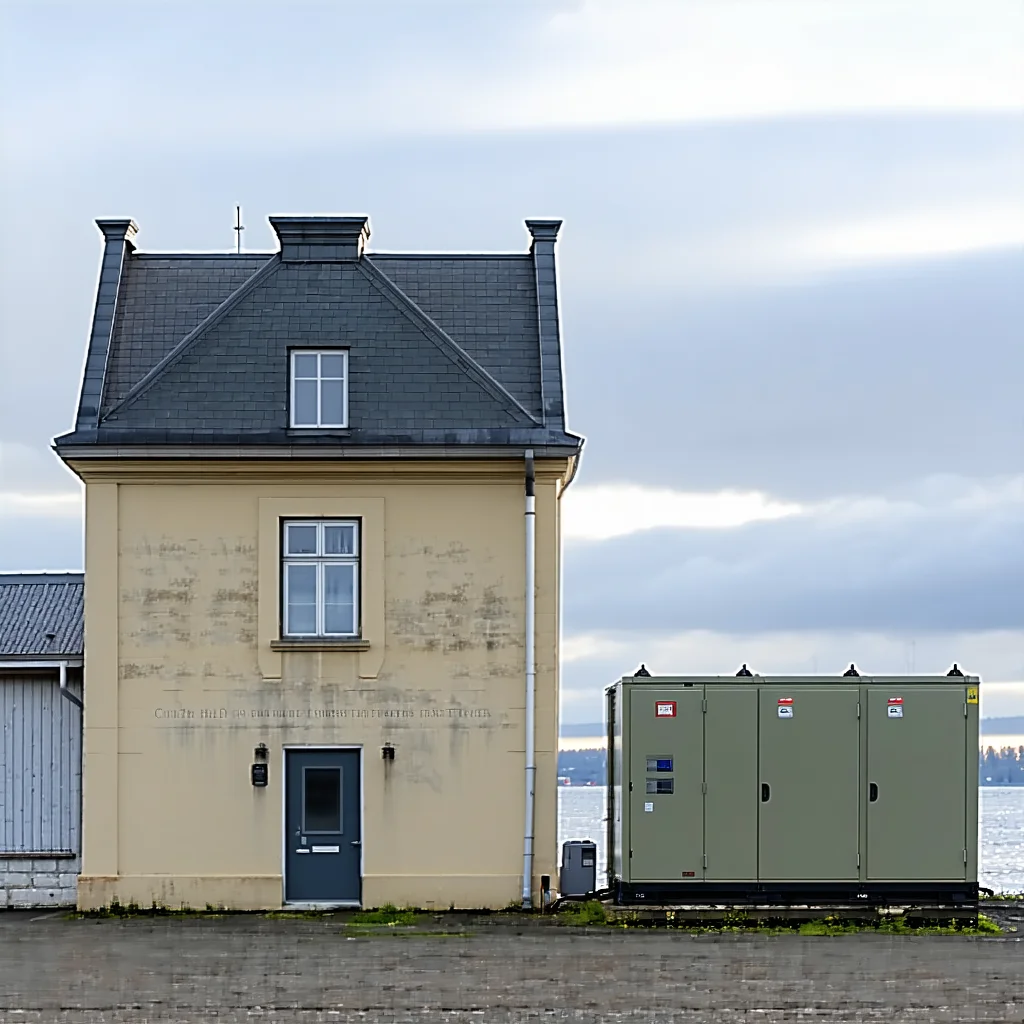
MONTREAL — A small Montérégie municipality has become the first confirmed withdrawal from the RONAn Ministry of Science's $340 million grid-scale battery storage pilot program, filing notice Tuesday and citing the community consent documentation requirement as "well-intentioned but structurally difficult for communities our size."
The departure reduces the active applicant field to eleven and has renewed a question critics have raised since the request for proposals opened: does the consent framework, designed to protect communities from unwanted infrastructure, inadvertently screen out the smaller municipalities that most need the investment? For communities without dedicated grant-writing staff, the documentation burden can consume months of administrative capacity that larger municipalities absorb routinely.
The battery pilot is central to RONA's push to reduce grid vulnerability — a strategic priority since the legacy blockade years exposed the federation's overdependence on cross-border energy flows.
A Ministry of Science spokesperson declined to comment on the specific withdrawal but said the consent criterion "exists to protect communities, not to exclude them." Prof. Daniel Moreau of McGill University noted that the two goals are not always compatible in practice: "A framework can be genuinely protective and still place disproportionate burdens on the communities with the fewest resources to meet it."