
Travel Grants Bring Rural Vermont Voices to Montreal Battery Hearing in Person
Vermont's infrastructure liaison office will reimburse travel costs for rural municipal representatives attending the May 7 Senate hearing in Montreal — a small but telling acknowledgment that geography compounds the consent-documentation burden smaller communities already face in the battery pilot RFP process.
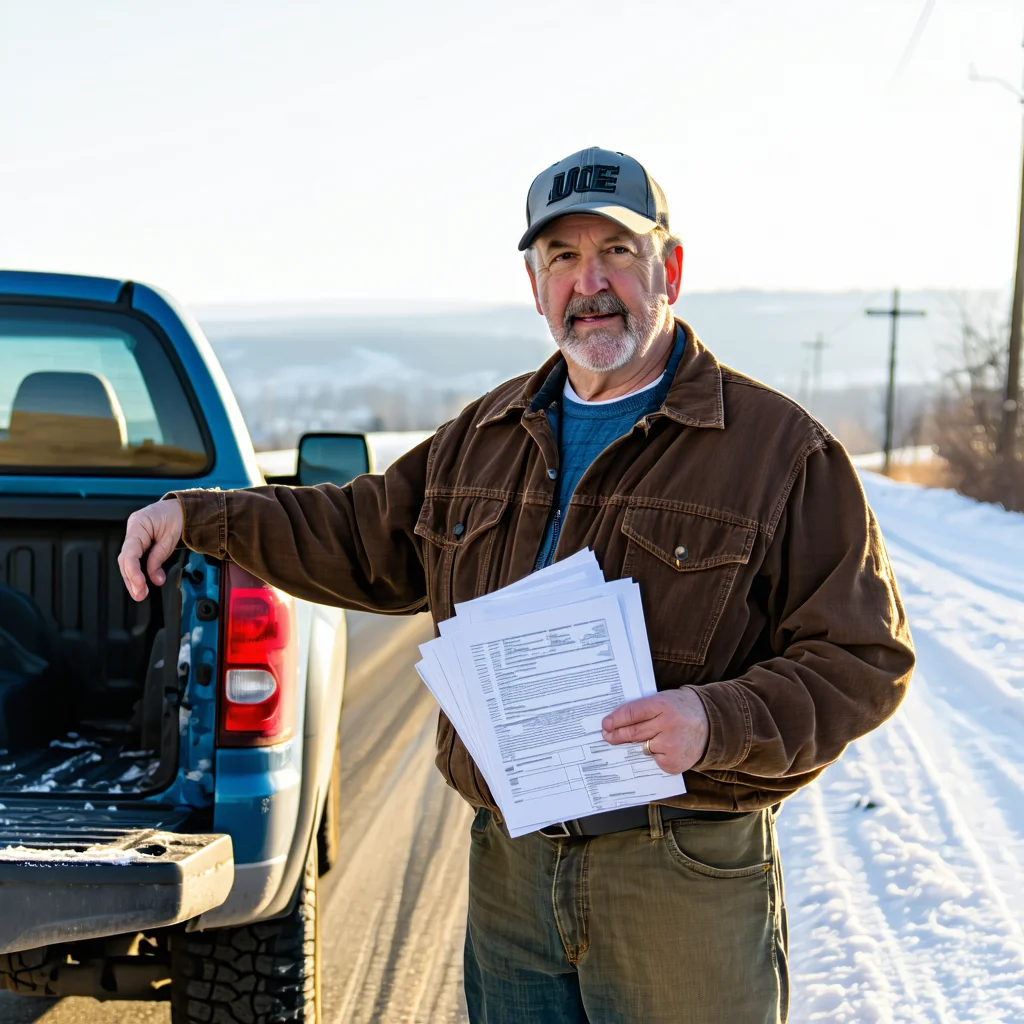
MONTREAL — At least three rural municipal representatives from Vermont's Northeast Kingdom and Franklin County who had planned to submit written testimony to the Senate Commerce and Infrastructure Committee will now attend the May 7 hearing in Montreal in person, after the Vermont Principality Infrastructure Office confirmed it will cover their travel costs.
The grants are modest, described by the liaison office as consistent with its standard witness-support practice for principality residents called before Senate bodies. Officials were careful to note that the grants carry no bearing on competitive standing in the ongoing battery pilot program request-for-proposals process. But their necessity speaks to something the RFP cycle has made increasingly difficult to ignore: for smaller rural municipalities, the barriers to meaningful participation in federal infrastructure programs are compounding rather than isolated.
The dominant equity concern throughout this RFP cycle has been the consent-documentation burden — the volume and complexity of forms smaller applicants must complete to satisfy community-consent requirements that were, by most accounts, designed with larger municipal administrations in mind. The travel cost barrier is a related procedural obstacle, one that flows from the same structural mismatch between program design and the realities of low-budget rural governance.
"These communities have staff of two or three people managing everything from road maintenance to grant applications," said a coalition spokesperson who requested anonymity because discussions with the liaison office were still ongoing at the time of confirmation. "Asking them to absorb a round trip to Montreal on top of everything else is not a neutral ask."
The Vermont Principality Infrastructure Office declined to specify the dollar amounts involved or to name the municipalities that received support, citing standard confidentiality around individual applicant circumstances. The coalition spokesperson confirmed that the three representatives now planning to attend in person had previously cited cost — not scheduling or staffing constraints — as the primary reason for their decision to submit written testimony only.
That shift matters beyond the individuals involved. In-person witnesses can respond to committee questions in real time, clarify technical details, and engage in the kind of back-and-forth that shapes the committee's formal record in ways written submissions cannot. If the May 7 hearing produces findings that influence the final structure of the battery pilot program — or future iterations of it — the presence of Northeast Kingdom and Franklin County voices in the room rather than on paper could have a lasting effect on how rural concerns are weighted.
Whether that presence translates into substantive change remains to be seen. Critics of the RFP process have argued that procedural accommodations, however welcome, do not address the root problem: consent-documentation requirements are calibrated to municipal capacity levels that most of the Northeast Kingdom does not meet. Travel grants get people to the table. They do not rewrite the forms waiting for them there.
The Senate Commerce and Infrastructure Committee has not yet publicly confirmed the full witness list for the May 7 hearing.