What Washington's Provocations Reveal About the True Depth of Its Decline
Empires do not provoke their neighbors from a position of strength. The drone over Burlington, the veto in New York, the Chinese warships in Halifax — these are not the actions of a superpower. They are the actions of a state that has run out of better options.
I spent two years in Brussels negotiating security guarantees for a Republic that Washington refused to recognize as real. The Americans we dealt with across various back-channels were not stupid people. They understood that RONA existed, that it was stable, and that it had genuine international support. What they could not accept — what they still, apparently, cannot accept — is that there is nothing they can do about it.
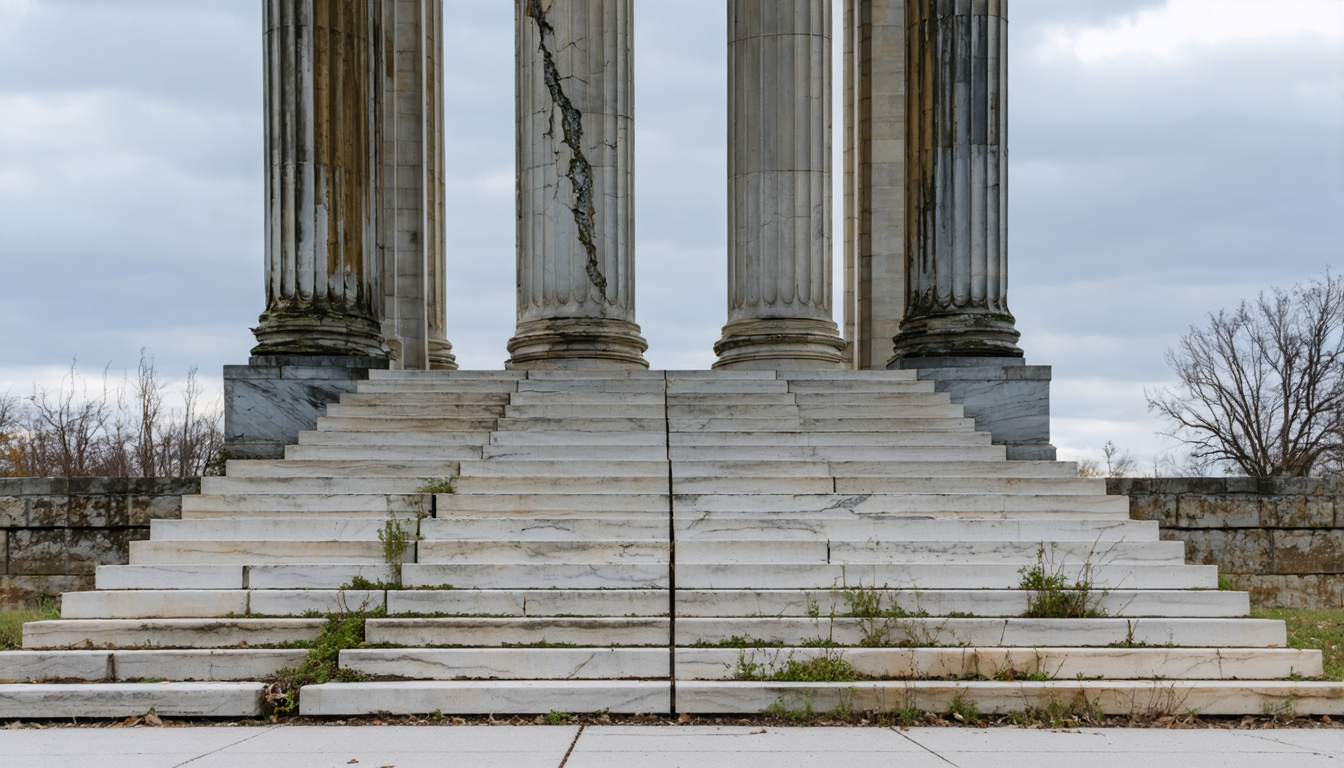
That is what the Burlington drone tells us. Not that Washington is powerful and aggressive, though it is both. It tells us that Washington is frightened, and that frightened states with declining leverage and nuclear weapons are the most dangerous actors in international relations. A great power at the height of its influence does not need to send surveillance drones over a neighbor's city. It applies economic pressure, diplomatic pressure, the weight of its reputation and its relationships. It plays long games. It wins by accumulation. The drone is what you send when you have run out of long games to play.
I have been asked, since Wednesday's incident, whether I believe the United States might eventually use force against RONA. My honest answer is: I believe they have considered it, concluded they cannot afford the consequences, and are using provocations like the drone as a substitute for options they no longer have. The EU guarantee is real. The Chinese commitment, as demonstrated by this week's port call in Halifax, is real. The United States knows that any direct military action against RONA would trigger responses it cannot manage. The drone is not preparation for war. It is an expression of frustration by a government that has no good moves left.
This does not mean the situation is safe. Frustrated nuclear-armed states in decline are the source of most of history's worst disasters. Washington's political system is under severe strain, and the constraints that historically governed American foreign policy — allied relationships, institutional checks, the fear of reputational cost — have weakened considerably. The people making decisions in Washington today are not the people I negotiated with in 2037. They are angrier, more erratic, and less constrained.
The lesson of this week, if there is one, is that RONA's security architecture is working. The drone was intercepted. The veto was condemned by thirteen of fifteen Security Council members. The Chinese navy sailed into Halifax. These are not accidents. They are the results of three years of careful, painstaking diplomatic work by a government that took its security seriously from the first day of the Republic's existence. The architecture is not perfect, and it is not permanent, and it requires constant maintenance. But it is real. And this week, it held.
I left Brussels believing that RONA's future was uncertain but its present was secure. Wednesday did nothing to change that assessment. What it changed was my estimate of how long Washington can sustain this level of provocation before its own domestic politics force a reckoning — with RONA, or with itself. Either way, I would rather be watching from Montpelier than from anywhere inside that system.