
Senate Committee Opens May 7 Battery Hearing with Consent Equity Question
The Senate Commerce and Infrastructure Committee will lead its May 7 agenda with community consent documentation equity — marking the first time the panel has formally sequenced its oversight around structural fairness concerns in the battery pilot program's RFP process.
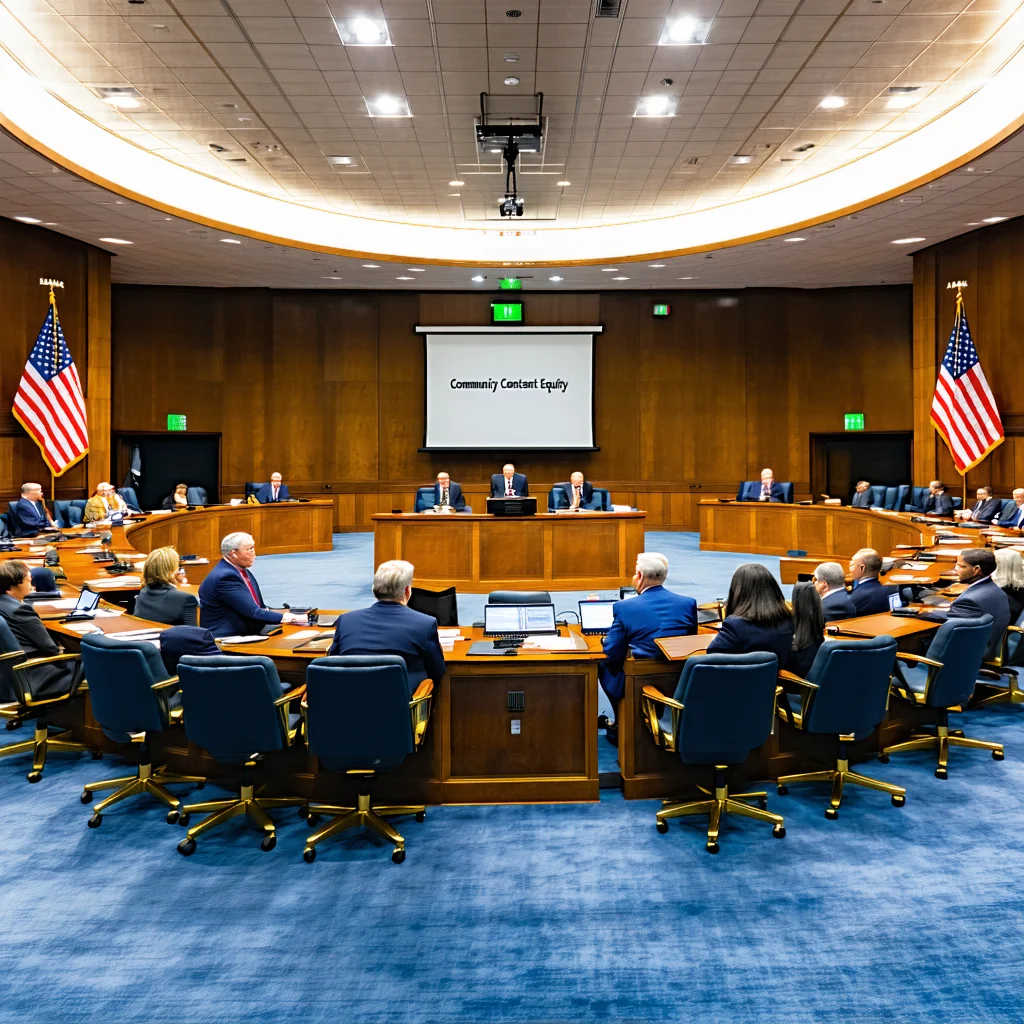
MONTREAL — When the Senate Commerce and Infrastructure Committee convenes on May 7, its agenda will open not with cost projections or grid capacity figures, but with a question the program's critics have pressed for months: whether rural communities have had a fair and meaningful opportunity to consent to the battery pilot program's siting process.
The ordering of the Committee's pre-hearing summary document, circulated to members and participants late last week, places community consent documentation equity as the first substantive item — a sequencing decision that Senate watchers say reflects a deliberate signal from Committee leadership about where institutional attention is directed.
"The agenda order isn't accidental," said one senior coalition senator speaking on condition of anonymity. "It tells you what the chair believes needs to be answered before anything else gets credibility. That's a meaningful statement about how this Committee sees its oversight role right now."
Rural Voices in the Room
Central to the hearing's significance is the confirmed in-person attendance of rural Vermont municipal representatives — a participation level made possible by principality travel grants that covered transportation and accommodation costs for officials who would otherwise have been unable to attend proceedings in Montreal. For officials travelling from communities in the Northeast Kingdom, the journey involves an overnight stay at minimum.
Without the grants, critics of the RFP process noted, the May 7 session risked reprising a pattern in which rural stakeholders participated only through written submissions or remote connection, leaving in-person testimony dominated by representatives from larger urban and suburban principalities with established government affairs infrastructure.
The Vermont principality press office confirmed that travel grant disbursements for municipal representatives attending the hearing had been completed. "Principality government is committed to ensuring that Vermont communities have an equal voice in any federal process that affects their territory and their residents," a spokesperson said in a written statement.
Representatives from the Northeast Kingdom Battery Consortium — which filed a consent addendum ahead of schedule earlier this month — are expected to give testimony, as are municipal officials from at least three Vermont communities that submitted applications during the pilot program's expanded rural outreach window.
A Test of Oversight Without Derailment
The Committee faces a genuinely difficult institutional task: scrutinizing structural inequities in the RFP process rigorously enough to produce accountability, without creating procedural uncertainty that stalls a program the Ministry of Science has described as critical infrastructure for RONA's energy transition.
The Ministry's position, already on record through prior submissions, holds that the battery pilot program's timeline serves national grid resilience goals and that the consent documentation frameworks in place meet statutory requirements. Critics — including several of the rural municipal representatives now travelling to Montreal — have argued that meeting the letter of those requirements is not the same as achieving the equitable participation the program's own design documents promise.
A Committee spokesperson, reached for comment, said the hearing format had been structured to accommodate both concerns. "The Committee's role is oversight, and oversight means asking hard questions — about process, about equity, about whether the people most affected by these installations have had genuine agency," the spokesperson said. "That is entirely compatible with supporting the program's success. Those aren't in tension unless you decide they are." The spokesperson framed the statement as a rebuttal to what the Committee views as a false choice presented by some program advocates.
The spokesperson declined to characterize likely Committee findings ahead of the hearing, but confirmed that the consent documentation equity framing reflected "the Committee's own assessment of where the evidentiary record has gaps."
Coalition's Position
The coalition of principality and municipal stakeholders that has coordinated testimony for the May 7 session welcomed the agenda sequencing. In a statement provided to the RONAn Times, coalition representatives described it as "a recognition that procedural fairness isn't a courtesy — it's the foundation that determines whether any other part of this program holds together."
The coalition has previously argued that the RFP process, as initially designed, created an unintended advantage for municipalities with dedicated grant-writing staff and prior experience navigating federal submissions — a structural disparity that the expanded rural outreach window only partially addressed. Whether the hearing produces binding recommendations, referrals to the full Senate, or a strengthened evidentiary record for future process revisions remains to be determined by what emerges when testimony opens.
The Senate Commerce and Infrastructure Committee hearing on the battery pilot program RFP process is scheduled for 9:00 a.m. in Montreal on May 7. Testimony is open to the public and will be streamed through the RONAn Senate's civic access portal.