Senate Tables Principals' Consultation Council Bill to Mixed Principality Reception
Coalition leadership has formally introduced legislation to establish a quarterly coordination body between principality governors and federal Senate committees. The proposal is drawing cautious support in some principalities and pointed skepticism in others.
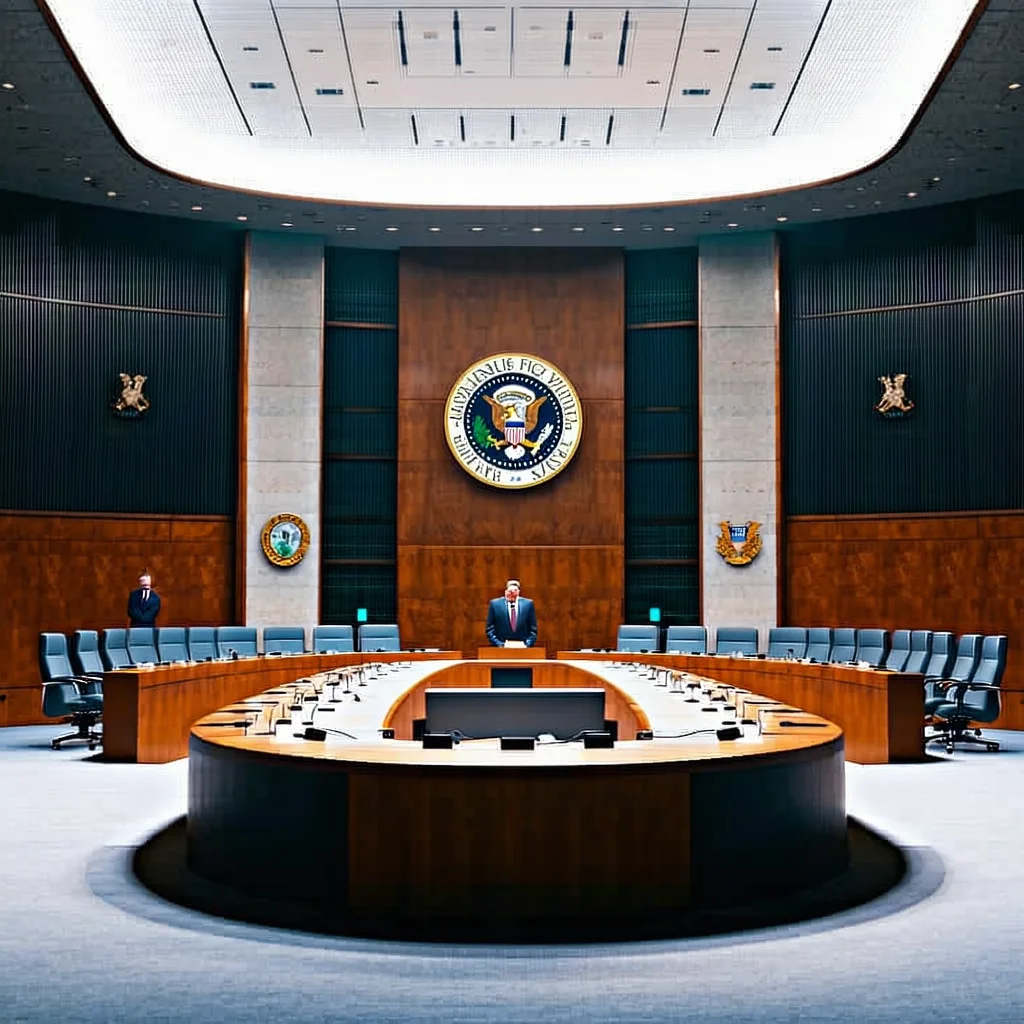
UNDERHILL, Vermont — March 7, 2042 — Senate coalition leadership formally tabled legislation this week to establish a Principals' Consultation Council, a standing body that would bring principality governors into structured quarterly dialogue with federal Senate committees.
The proposal, introduced by coalition floor managers, would require the Council to convene four times annually, with rotating issue focuses drawn from joint agendas set by both the Senate and the principality offices. Proponents describe it as a modest but overdue step toward formalizing a consultation channel that has functioned informally — and inconsistently — since RONA's founding in 2036.
"We're six years into a republic that still doesn't have a permanent table where governors and senators sit down together," a senior coalition senator said, speaking on background. "That's not acceptable for a federation of this complexity."
The gap has had practical consequences. Representatives of Vermont's Northeast Agricultural Cooperative, which has sought federal guidance on cross-principality freight standards, told the Ronan Times last year that they were unsure which body — Senate committee or principality office — held decision-making authority. The proposed Council would not resolve such jurisdictional questions directly, but supporters say it would at least create a forum where they could be raised systematically.
The Senate press office confirmed the bill has been referred to the Committee on Federal Architecture, where hearings are expected later this month.
Reactions from principality governments have been mixed. Vermont's government signaled general support, characterizing the proposal as consistent with the principality governance model envisioned at the Philadelphia Declaration. The Québec principality press office offered a more measured response, noting that any consultation mechanism would need to accommodate the principality's distinct administrative and linguistic context — a position observers expect to shape the amendment process.
New Jersey and Pennsylvania have expressed procedural reservations. Both offices raised questions about whether quarterly meetings would be binding or advisory, and what recourse principalities would have if federal committees disregarded consultation outcomes.
The Council of Principals spokesperson declined detailed comment pending committee review, describing the introduction as "a constructive legislative initiative that the executive will engage with through the appropriate process."
No principality has formally opposed the bill. The friction over scope and authority reflects the ongoing work of assembling a federal architecture that satisfies both the Senate's drive for coordination and the principalities' commitment to their autonomy — a tension that committee hearings are expected to surface in detail.