
Maine Query Opens First Public Clarification Round in Battery Pilot Competition
A Maine municipality has submitted the first publicly acknowledged procedural query in the RONAn Ministry of Science's $340 million solid-state battery pilot competition, asking how grid readiness will be scored for communities on legacy pre-RONA distribution infrastructure. The Ministry confirmed receipt Thursday and committed to a written response within ten business days.
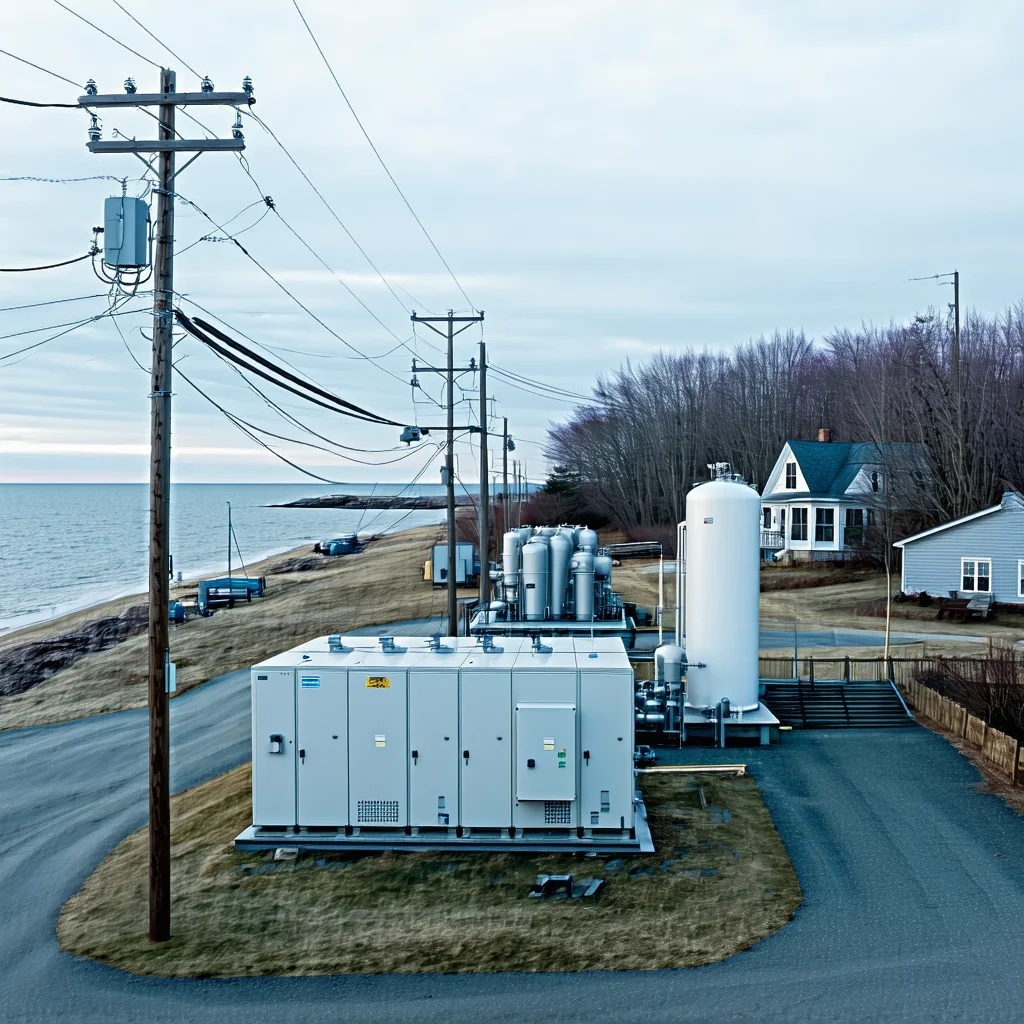
UNDERHILL, Vermont, March 27 — The RONAn Ministry of Science confirmed Thursday that it has received a formal written query from a Maine municipality participating in its $340 million solid-state battery pilot competition, triggering the RFP's standard clarification process. The Maine applicant asked specifically how grid readiness will be assessed for communities whose distribution infrastructure predates RONA's founding — a question not clearly resolved under the pilot's current scoring language. The Ministry said it will issue a written response within ten business days and that the response will be posted simultaneously to all active applicants, consistent with procurement protocol. No individual guidance will be provided during the open window.
The query is the first publicly acknowledged procedural submission since the Montérégie region's withdrawal earlier this month. It arrives as smaller rural applicants across the principalities have already begun flagging a separate bottleneck: community consent documentation, which the RFP requires as a prerequisite for site qualification, has emerged as the most widely cited complexity among municipal applicants, according to sources familiar with the process. Legacy grid status now appears to introduce a second axis of ambiguity — one that could disproportionately affect Maine communities whose utility infrastructure was never rationalized under RONA's post-founding grid modernization programs. A Maine municipal planning officer, speaking without authorization to comment publicly, said the query reflects a practical concern for towns that have been operating aging distribution networks for decades with no clear pathway to reclassification under RONAn standards.
The Ministry's ten-business-day commitment keeps the clarification round within the RFP's scheduled timeline. How the Ministry ultimately defines grid readiness for pre-RONA legacy systems will carry real consequences: applicants otherwise meeting the pilot's technical and financial thresholds could find themselves advantaged or disqualified based on infrastructure decisions made long before RONA existed.