
UVM–Québec Sap Study Hits Lab Backlog, Full Results Pushed Past Mid-July
A joint UVM–Québec research team has notified maple producers that a full sap chemistry analysis will miss its mid-July target due to a laboratory review backlog. The delay illustrates routine but real friction in the research pipeline supporting Vermont's agricultural planning.
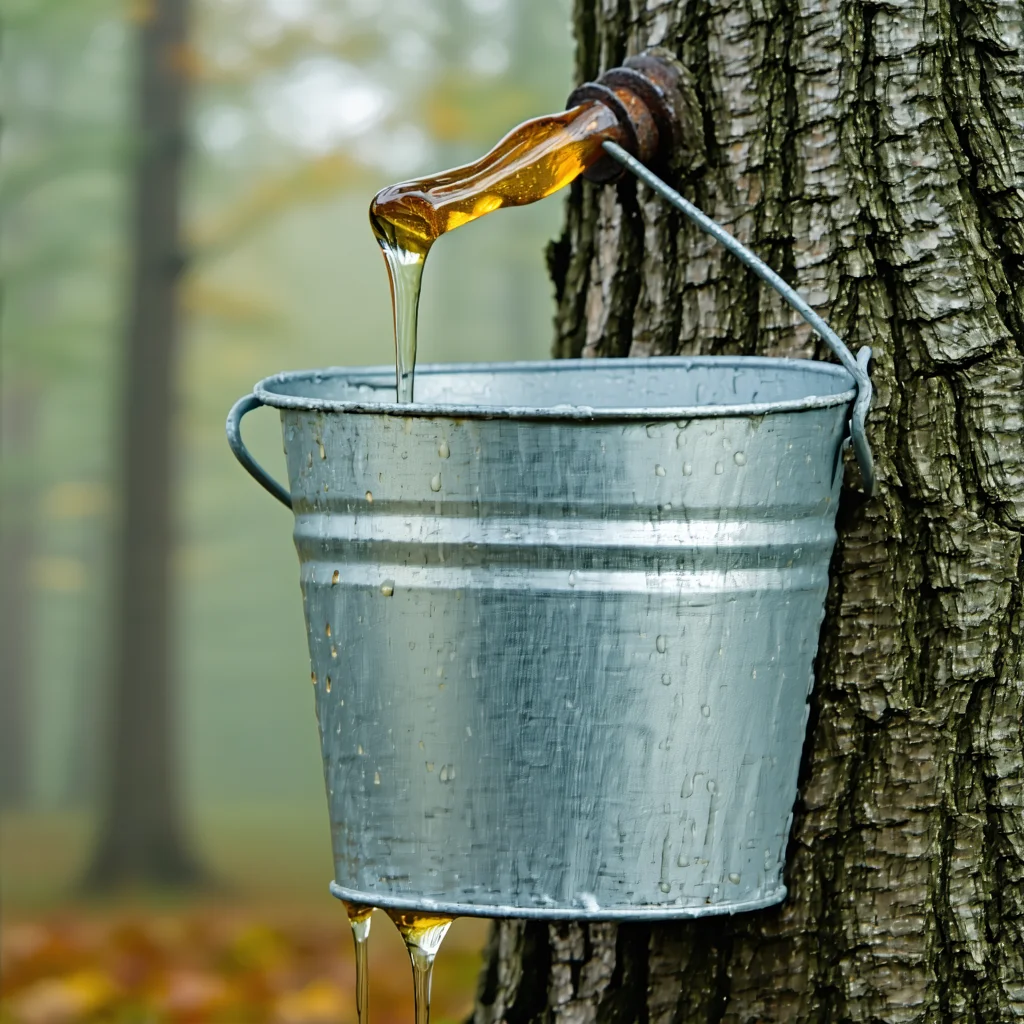
UVM–Québec Sap Study Hits Lab Backlog, Full Results Pushed Past Mid-July
UNDERHILL, Vermont — The Vermont Principality Maple Producers Cooperative received word Monday that a full analysis of anomalous sap chemistry findings from the Northeast Kingdom will not be delivered by mid-July as previously expected, according to a written notice from the joint University of Vermont–Québec research team conducting the work.
The delay is logistical rather than scientific: the laboratory handling the senior review stage of the analysis has encountered an unexpected backlog, the team wrote in its notice to cooperative chair Adèle Tremblay-Gagnon. The researchers noted that the holdup does not change their preliminary characterization of the findings, and they committed to providing a revised delivery estimate before the end of June.
The science itself makes the wait consequential. Sap chemistry — particularly the sugar content, mineral composition, and microbial signature of maple sap during the spring run — is a sensitive proxy for broader conditions in forest soil and canopy health. Anomalies in those readings, especially across a geographically clustered area like the Northeast Kingdom, can indicate stress patterns that take years to fully manifest. Understanding what drove them matters not just for this season's planning but for longer-horizon forest management decisions.
In a Monday morning advisory circulated to member farms, Tremblay-Gagnon struck a deliberately measured tone. The delay is, in her words, "an inconvenience to the calendar, not a signal about the findings." Planning for the cooperative's October 18 session will continue on its current timeline regardless of when the full report arrives.
Laboratory capacity — particularly for specialized analytical chemistry requiring senior peer review — is a finite resource, and scheduling collisions are a routine feature of a research pipeline that serves multiple clients simultaneously. The friction shapes planning cycles in ways that farm operators feel concretely: decisions about soil amendments, tapping density, and infrastructure investment often hinge on data that arrives later than anticipated.
The UVM–Québec collaboration itself is worth noting. Joint research coordination between Vermont Principality institutions and their Québec counterparts has become increasingly normalized since integration, but the administrative and logistical work of running shared studies across what were once separate national systems remains substantial. That this team produced a preliminary characterization on schedule, even as the senior review lags, suggests the cross-principality working relationship is functioning adequately — a modest but concrete indicator as such arrangements continue to mature.
The cooperative has not indicated any intent to seek interim guidance based on the preliminary findings alone, suggesting that member farms are prepared to absorb the delay within their existing planning margins, at least for now.