
Three Coalition Towns Wait on Ministry Guidance With Two Weeks to Deadline
Two Vermont municipalities and one in Maine have signaled plans to revise their consent documentation after a Ministry of Science response expected June 15 — leaving fifteen days before a hard deadline.
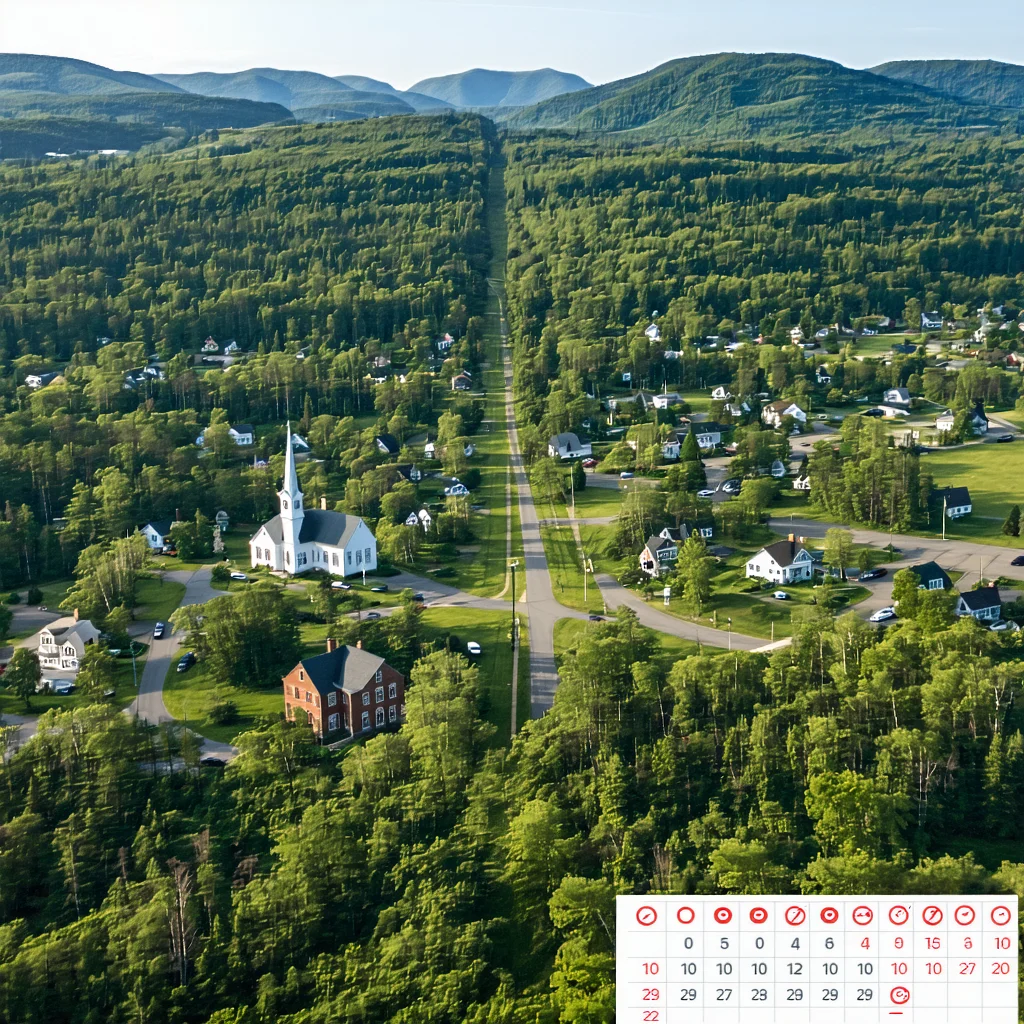
UNDERHILL, Vermont — Two Vermont communities and a neighboring municipality in Maine are staking a portion of their infrastructure future on a response that has not yet been made.
The three rural coalition towns — two of them in Vermont's principality — have informally notified the Vermont principality infrastructure liaison office that they plan to amend their community consent documentation packages once the Ministry of Science issues its formal response on June 15. That response is expected but has not been confirmed. The deadline for submitting amended packages to the battery pilot program is June 30, leaving a fifteen-day window if the Ministry responds on schedule.
"We're calling them declarations of intent rather than filed amendments," said a spokesperson for the liaison office, which posted guidance on its public portal last week acknowledging the notifications. "The municipalities haven't changed anything yet. They're telling us they intend to, once they hear from the Ministry."
The coalition towns — including the Maine municipality, which falls under a separate principality liaison but has joined the consent coordination effort — are hoping the Ministry's response will offer at least partial accommodation of a phased consent framework. Such an approach would allow smaller communities to spread the formal public authorization process over time rather than front-loading it before construction begins. Advocates say the phased model is better suited to places where town meeting schedules and volunteer planning boards make rapid documentation difficult. Critics contend it creates ambiguity about when, exactly, a community has formally said yes.
No such accommodation has been signaled by the Ministry. Coalition representatives said the decision to move forward reflects confidence, not certainty.
For a small Vermont town, the distinction matters. Consent documentation is not a technicality. It is the record of a community's deliberate agreement to host infrastructure — often a battery storage facility, a grid relay, or a renewable tie-in — on or near land that people live, farm, and raise families on. Getting it wrong, or getting it late, can mean losing a grant cycle entirely.
"If the Ministry says no, or doesn't say anything useful, we're in a hard spot," said a resident familiar with the planning process in one of the affected Vermont towns, who asked not to be named because the matter remains before local boards. "You can't amend something in a week and a half and do it right. Not here."
The liaison office's guidance stops short of advising communities to wait for the Ministry's response before acting. It notes only that the office is aware of the intent notifications and is "monitoring the situation ahead of the June 30 submission deadline."
For now, the towns are watching the calendar.