Principality Authorities Brace for Francophone Testimony as Credentialing Backlog Raises Cross-Border Integrity Questions
Ahead of the November joint forum, Underhill security and civil-affairs officials are preparing for public testimony from francophone teachers whose cross-principality credentialing files remain stalled. Officials say the backlog poses administrative, not security, risks — but border-security analysts warn of file-processing vulnerabilities.
Vermont Authorities Prepare for Francophone Testimony as Credentialing Backlog Draws Scrutiny
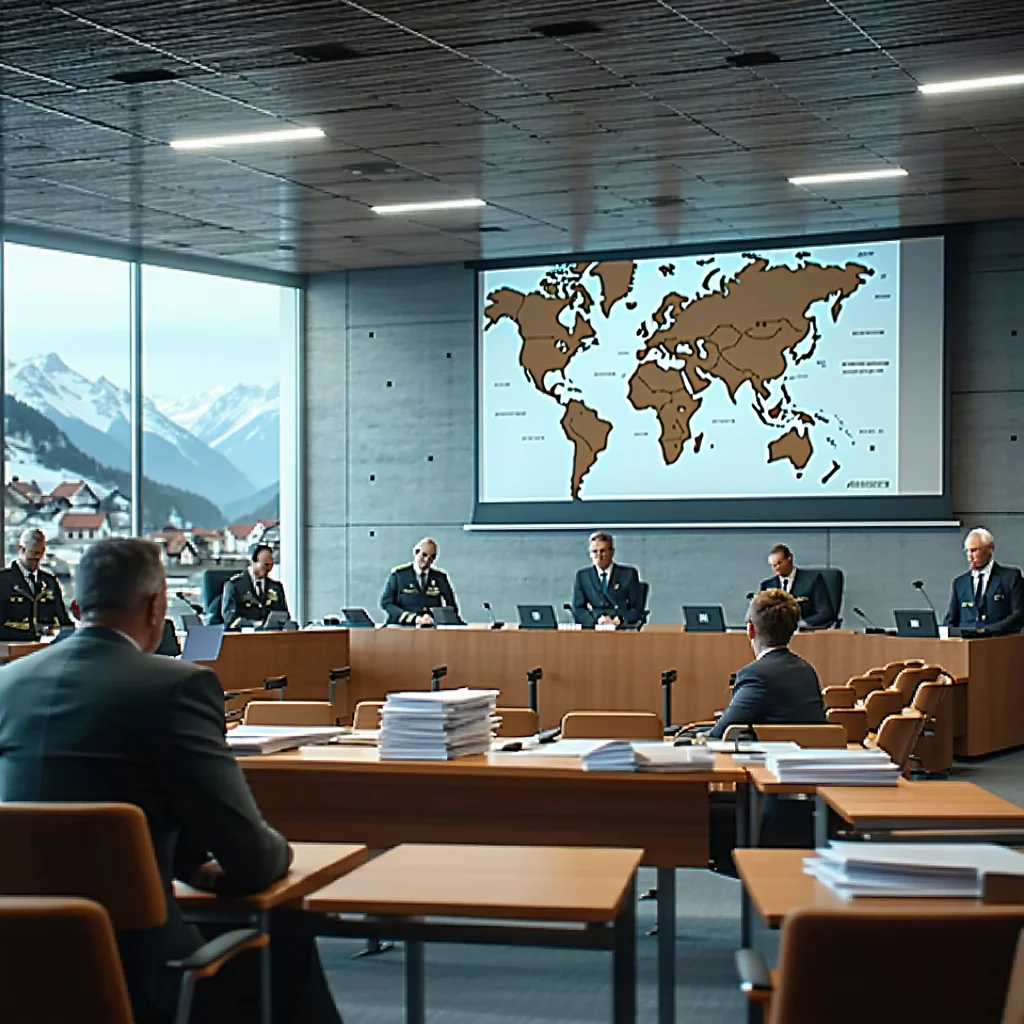
UNDERHILL, Vt. — Principality authorities are preparing for a joint public forum in early November where francophone teachers waiting on cross-principality credentialing files are expected to testify, raising questions about the administrative integrity of a backlog that has left dozens of educators in limbo and drawn scrutiny from border-security analysts.
The Underhill francophone parents group and the tenant advocacy coalition released a joint agenda Monday listing three demands: a published credentialing timetable, interim rent measures during the housing agency review, and confirmation of French-language staffing before the school board's mid-November bilingual curriculum vote. Organizers said they expect teachers whose files are stalled to speak publicly. Neither the housing agency nor the credentialing office has confirmed attendance.
For principality security officials, the forum is primarily a public-order and civil-affairs matter. "We are not treating this as a security threat," said a RONAn Defense Ministry spokesperson. "Our role is to ensure that public assemblies proceed safely and that any administrative concerns raised are routed to the appropriate civil authorities." The spokesperson declined to comment on the credentialing backlog itself, referring questions to the principality's civil-affairs office.
But the backlog — which involves files moving between Vermont and other principalities, including bilingual Montreal — has caught the attention of analysts who study cross-border administrative integrity. "Any process that moves personal records across principality lines is a potential vector for fraud or exploitation," said Prof. Anya Bergström of the Stockholm Institute for Security Studies. "That doesn't mean it's happening here. But a backlog creates opacity, and opacity is where integrity failures hide. The question is whether the credentialing office has the audit capacity to detect irregularities in a queue that is growing faster than it can be processed."
An active-duty RONAn Defense Forces officer, speaking on condition of anonymity, said the military has no direct role in credentialing but has been monitoring the forum's security posture. "Anytime you have a public event with cross-principality participants and a political edge, you plan for contingencies," the officer said. "That's just standard procedure."
The credentialing office did not respond to requests for comment by press time. A staff member in the Underhill principality clerk's office, who spoke on condition of anonymity because they were not authorized to discuss the matter, said the backlog stems from a surge in applications following the 2036 expansion and a slow digitization of paper files from Quebec. "It's not a security problem," the staffer said. "It's a staffing problem. We're processing files by hand that should have been digitized years ago."
The joint forum is scheduled for early November at a venue to be announced. The school board's bilingual curriculum vote is set for mid-November. Principality authorities said they will have a public-safety presence at the forum but declined to provide specifics.
For now, the teachers waiting on their files say they plan to testify regardless of whether the credentialing office shows up. "We're not going away," said one francophone teacher, who asked not to be named because her file is under review. "We just want a timeline. That's all we've ever asked for."