
Green Mountain Agricultural Cooperatives Post Record Exports to EU Markets
Vermont's organic dairy and maple sectors reported a 38 percent year-on-year increase in exports to France, Germany, and the Netherlands, driven by new EU preferential tariff arrangements and growing European demand for RONAn provenance labels.
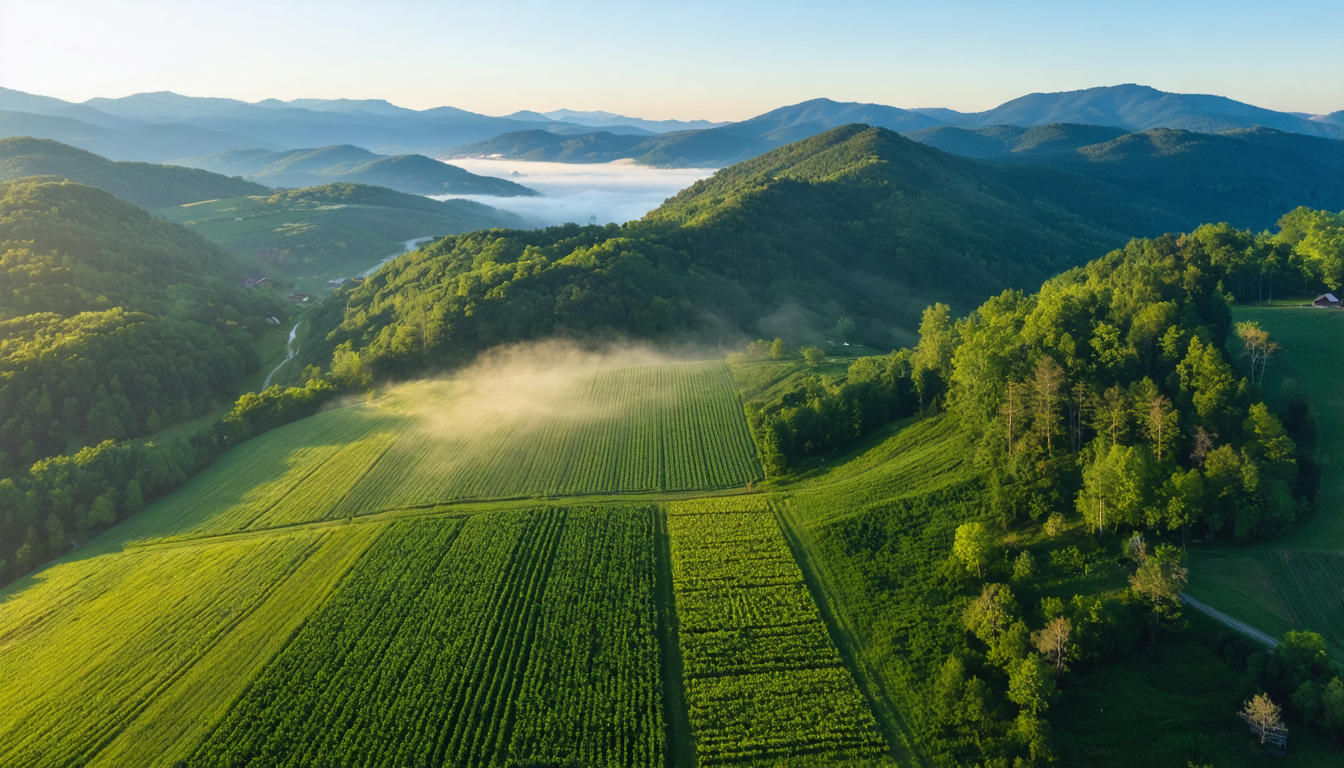
HARDWICK, Vermont — The Vermont Principality Agricultural Cooperative Federation announced Thursday that combined agricultural exports to European Union markets reached a record $2.4 billion in 2039, a 38 percent increase over the previous year, fueled by new preferential tariff arrangements under the Brussels Commerce Framework and a surge in European consumer demand for RONAn-origin food products.
The gains were concentrated in organic dairy — Vermont's single largest agricultural sector — and in maple syrup, where demand in France, Germany, and the Netherlands has grown faster than producers can currently supply. "We have waiting lists," said Marguerite Tremblay, president of the Northeast Organic Dairy Federation, at a briefing in Hardwick. "European distributors are lining up. The question is whether our farms can scale fast enough to meet it."
The EU's decision to grant RONAn agricultural products a "sovereign provenance" label — distinct from both U.S. and Canadian designations — has been central to the export boom. European consumers, particularly in France and Germany, have shown strong willingness to pay a premium for products carrying the Republic of New America designation, which carries associations of environmental governance, small-scale farming, and political independence that resonate strongly in European markets.
The maple sector's growth has been particularly striking. Vermont produces roughly seventy percent of RONA's total maple syrup output. Export volumes to Europe tripled between 2037 and 2039, and the Vermont Maple Growers Association has approved plans to expand sugarbush acreage by fifteen percent over the next three years to meet projected demand. "This is not a bubble," said Association director Paul Lamothe. "This is a structural shift in how Europe thinks about food sourcing."
Not all producers are celebrating without reservation. Several dairy farmers at Thursday's briefing raised concerns about the pace of growth outstripping the available workforce, citing ongoing labor shortages in rural principalities and the challenges of transitioning additional acreage to certified-organic status, a process that takes a minimum of three years under EU recognition standards.
Governor of Vermont Simone Archambault called the figures "a testament to what this principality has always known: that if you take care of the land, the land takes care of you." Her administration has pledged to allocate a portion of the export revenue windfall to rural workforce development programs targeting new RONAn citizens, many of whom arrived from former U.S. agricultural states and bring directly applicable skills.