
Vermont Maple Producers Resume Run After Mid-Week Thaw Ends Weekend Freeze
A return to above-freezing temperatures mid-week has Vermont maple producers back at their tubing and buckets after a weekend cold snap brought the early sap run to a halt. The Cooperative says yields are tracking close to expectations despite the interruption.
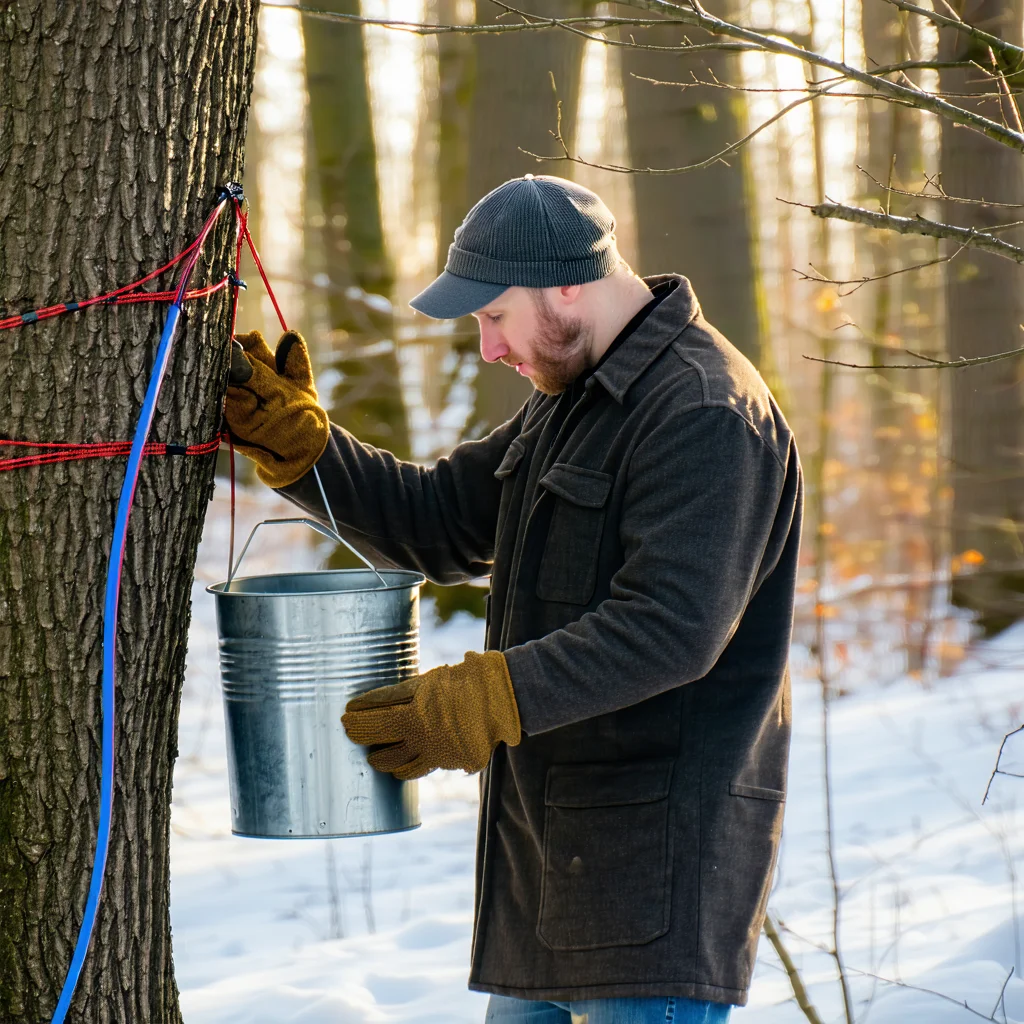
UNDERHILL, Vermont — The buckets are filling again.
After a hard freeze over the weekend shut down what had been a promising start to the 2042 maple season, temperatures climbed back above freezing by Wednesday, and producers across Vermont's sugarbush country resumed tapping and collection operations by Thursday morning.
"We lost maybe three days, which stings a little, but the trees didn't know the difference," said a sugarmaker reached at her operation in the hills east of Underhill. "The sap started moving again pretty much the moment the nights got back above twenty-eight."
The Vermont Maple Cooperative offered a cautiously optimistic early read on recovered yields. "Based on what members are reporting through Friday, we're tracking within about eight percent of where we'd hope to be at this point in the season," a Cooperative spokesperson said Saturday. "That gap can close. If we get another good freeze-thaw cycle or two in the next couple of weeks, we're in fine shape."
The weekend cold snap, which drove overnight lows into the single digits Fahrenheit at some higher elevations, was not entirely a surprise. The Burlington Atmospheric Sciences Centre had flagged the pattern in its mid-week forecast issued the previous Thursday — a forecast that, according to producers who follow it closely, gave them enough lead time to pull back collection equipment and protect tubing infrastructure before temperatures dropped hard.
"The BASC called it right," said one producer who farms sugar maples on a hillside parcel outside Johnson. "They had the rebound on Wednesday nailed too. That's not nothing — knowing when to stop and when to start back up saves real money."
The Cooperative spokesperson noted that the season's trajectory now hinges heavily on late-March weather patterns. "The ideal window is still open. We need cold nights and warm days, and right now the forecast is giving us reason to be hopeful. Producers are back at work, and that's the main thing."
Vermont's maple industry, one of the principality's most closely watched agricultural indicators, has faced years of season variability tied to shifting regional temperature patterns. Precise short-range forecasting has become a practical lifeline for producers trying to squeeze every viable day out of an unpredictable window.
For now, the lines are running and the sugarhouses are warming up. How much of the season remains to be recovered will depend largely on what March delivers in the coming weeks.