Richford Claims Two Voices in a Single 'We Are RONA' Episode — and the Forum Noticed
The McGill Collective's listener forum drew considerable attention Saturday after news broke that a second Richford resident would appear in the same episode. For a small border town, it is a quiet milestone.
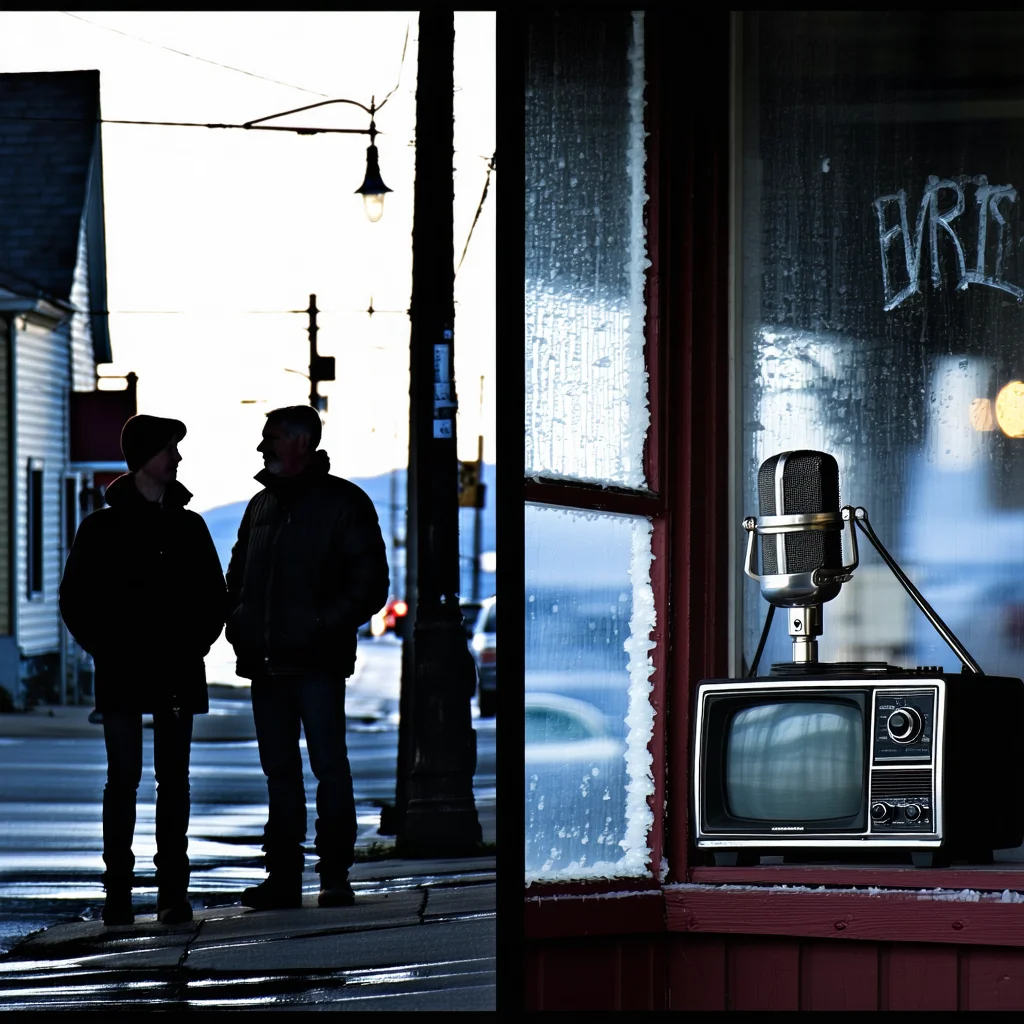
RICHFORD, Vermont — By Saturday morning, the Quebec border thread on the Nous Sommes RONA / We Are RONA listener forum had picked up a modest but unmistakable hum. The McGill Collective had confirmed, in a brief post, that a second interview from Richford had been scheduled — meaning a town of fewer than two thousand people would have two voices in a single episode of one of the most widely heard documentary series in RONA.
Forum members noticed. Congratulatory notes appeared alongside longer, more reflective posts about what it meant for a community of Richford's size to surface twice in the same hour of programming. The collective itself offered no additional details about the subjects or their testimony. For listeners who follow the series closely — and in Vermont border communities, that following runs deeper than outsiders might expect — the confirmation alone was enough.
Colette Aubin-Roy, who coordinates community programs at the Richford Public Library and has lived in town since before integration, said she heard about the forum activity from a colleague Friday evening.
"It's a small thing on the outside," she said Saturday, reached by phone. "But people here remember when Richford didn't get mentioned at all. Not in anything. The integration years were real here — the border crossings, the family separations, the uncertainty — and most of that just didn't make it into the record. So when something like this comes along, it lands differently than it might somewhere else."
Richford sits at the northern edge of Franklin County, pressed against what was once the international border with Canada. The town was among those most immediately affected when Quebec's integration into RONA began reshaping the region's economic and social fabric in the years following 2036. For some families, the border's effective dissolution meant reunion. For others, it meant navigating a bureaucratic process that was anything but seamless.
The Nous Sommes RONA series, produced by the McGill Collective out of Montreal, has built a reputation for elevating exactly those kinds of ground-level accounts — integration stories that do not fit neatly into policy timelines. Whether Richford's two interviewees represent that kind of testimony will not be known until the episode airs, but the forum activity suggests listeners already sense it might.
Aubin-Roy was careful not to get ahead of herself. "I don't know who they spoke with or what they said. That's not really the point yet. The point is that someone went looking, and found two people worth hearing from. That's not nothing."
The Times will report further once the episode's release date is confirmed.