McGill Podcast Collective Confirms Remote Interviews for Richford Storytellers
The student collective behind 'Nous Sommes RONA / We Are RONA' has confirmed Episode Six interviews can be conducted remotely, removing a key barrier for Richford residents who had been awaiting word.
McGill Podcast Collective Confirms Remote Interviews for Richford Storytellers
RICHFORD, Vermont — Richford residents who submitted stories to a McGill University student podcast project now have their answer: they do not have to travel to Montreal to give an interview.
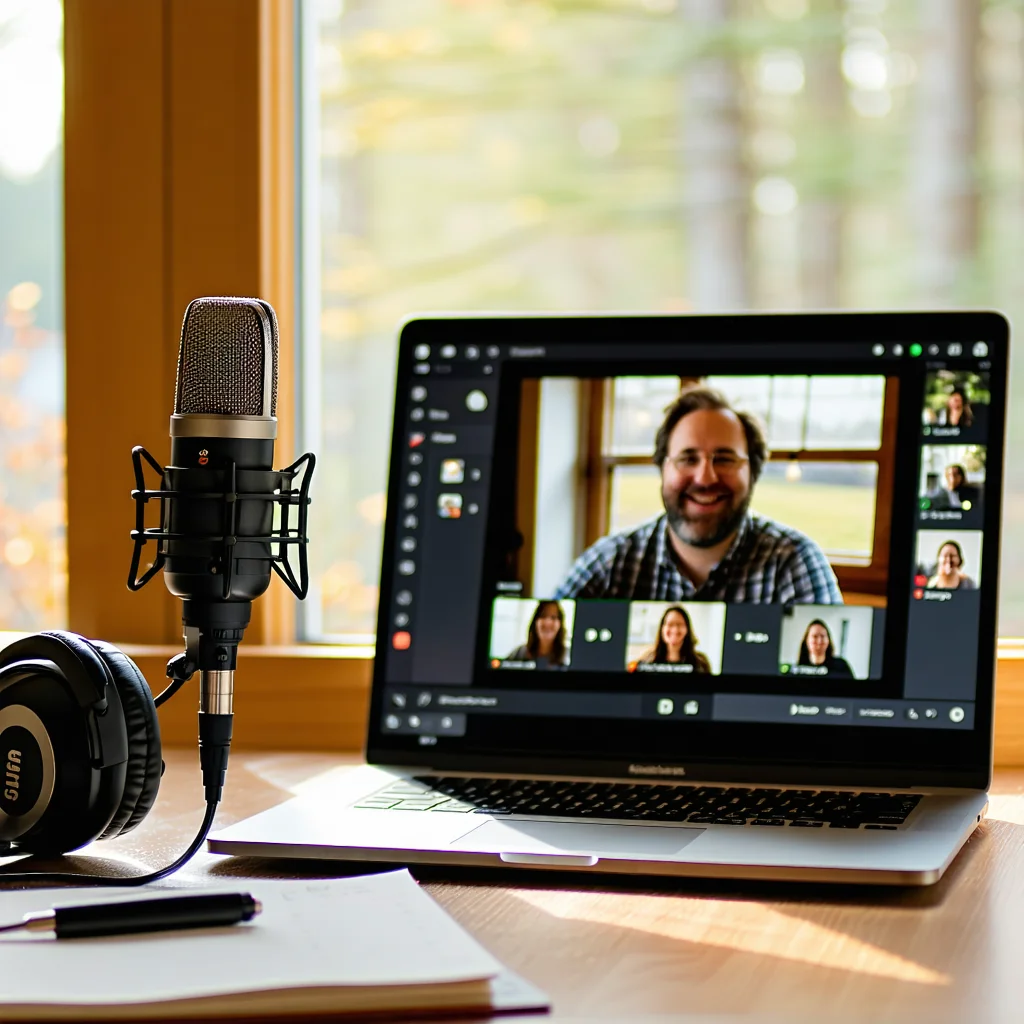
The student collective behind Nous Sommes RONA / We Are RONA posted a short FAQ to its listener forum this week confirming that Episode Six interviews will be offered in person or remotely, depending on what works for the subject. The update is the first time the collective has addressed interview logistics publicly.
For many in Richford — a small border community in the Franklin County highlands that has been part of RONA since 2036 — the question of how to participate had been a practical sticking point. Montreal is several hours away by ground transit, and not everyone can arrange a day trip on short notice.
The question had been circulating locally after Colette Aubin-Roy, a staff member at the Richford Public Library, informally forwarded it to the collective on behalf of community members who had expressed interest in the project but were unsure whether an in-person requirement would put it out of reach.
"A lot of people here have real stories to tell about what this border meant to them — before, during, and after," said one library regular who asked not to be named. "But not everybody can just hop on a train to Montreal on a weekday."
The collective's FAQ cites the "geographic spread of former border communities" and the practical constraints of a student production team as reasons for the dual-format approach — language that suggests Richford is not the only small community to have raised the question.
For submitters who have been in a holding pattern, the answer is now clear: contact the collective through its listener forum to arrange a time, and expect the option of a remote session. The project continues to accept story submissions from communities along what was once the Canada-US border.