
Vermont Towns Watch Senate Hearing That Could Reshape Rural Battery Pilot Program
Small Vermont municipalities that submitted battery storage pilot proposals are watching a Senate transparency hearing closely, concerned that complex consent paperwork may have already put them at a structural disadvantage. A rural applicants' coalition has filed a joint statement ahead of the hearing.
Vermont Towns Watch Senate Hearing That Could Reshape Rural Battery Pilot Program
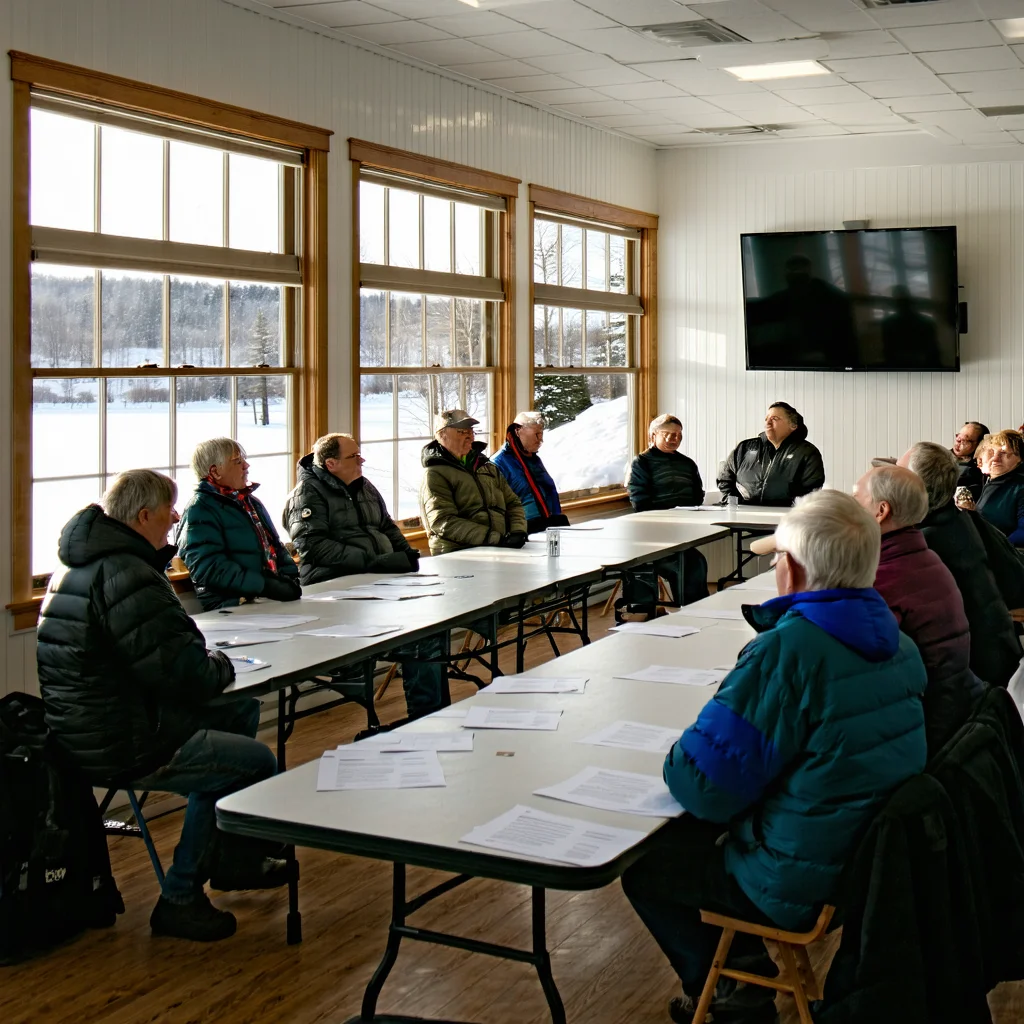
UNDERHILL, Vermont — When the town of Craftsbury submitted its application to the Ministry of Science's battery storage pilot program last fall, the selectboard spent three evenings parsing a consent documentation package that, by one member's count, ran to 94 pages.
"We don't have a grant writer on staff. We have a part-time administrator and a very patient volunteer," said Selectboard Chair Diane Ouellette. "We did our best, but honestly, we weren't sure we were filling it out right."
Craftsbury is one of dozens of small Vermont municipalities watching the RONAn Senate Commerce and Infrastructure Committee's upcoming battery pilot transparency hearing with a mix of hope and frustration. The hearing, scheduled for early May, was already on the committee's calendar as a routine oversight session. It gained new weight last week when a coordinated written statement from a rural applicants' coalition landed in committee members' inboxes — a document signed by representatives from more than 40 small communities across RONA, including at least a dozen from Vermont.
The coalition's statement argues that the Ministry of Science's consent and disclosure documentation was designed with larger, institutional applicants in mind — municipalities with dedicated legal staff, infrastructure offices, and experience navigating federal-scale paperwork. Rural towns, the statement contends, have been placed at a structural disadvantage from the first page.
Vermont Principality infrastructure liaison Bertrand Hétu confirmed that his office has heard similar concerns from communities across the principality. "What we're seeing is that the intent of the program — getting distributed storage capacity into underserved areas — is actually being undermined by documentation complexity," Hétu said. "A town that genuinely has the right site, the community support, and the infrastructure capacity may have stumbled on the consent forms and not even know it."
Hétu said his office has been in contact with Senate committee staff ahead of the hearing and is cautiously optimistic that testimony will lead to a formal review of the application process — not just the pilot program's outcomes.
The battery storage pilot program is part of a broader Ministry of Science initiative to expand distributed energy resilience across RONA, accelerated in part by grid vulnerabilities exposed during the severe winters that followed RONA's founding period in 2036 and the regional infrastructure strain of 2037. Vermont, with its aging grid infrastructure and dispersed rural population, was identified as a priority target region. Several communities submitted proposals for small-scale lithium-iron and next-generation solid-state battery installations that would serve as emergency backup power and help absorb excess capacity from local wind and solar installations.
For communities like Craftsbury, the stakes are immediate. "If we'd gotten one of these installations, we'd have been able to keep the community center and the medical clinic running during last January's outage," Ouellette said. "That's what this is actually about."
The Vermont Farmers' Alliance, whose members have been among the most vocal proponents of rural battery storage, is also monitoring the hearing. Alliance director Phoebe Laramie called the coalition's written statement "long overdue."
"Farmers have been trying to say this for two years," Laramie said. "The program is well-intentioned, but the people who most need it are the least equipped to jump through the hoops to get it."
The Senate Commerce and Infrastructure Committee has not announced a formal agenda for the hearing, but committee sources indicate that the rural coalition's statement will be entered into the record and that at least one panel is expected to include applicants from non-urban communities.
Hétu said Vermont Principality staff plan to attend the hearing and may request time to submit supplemental testimony. "We want the committee to understand that this isn't an abstract policy question," he said. "These are functioning towns, and they are waiting."