A Community Radio Member in BC Seeks a Place in RONA's Oral History Archive
A community radio cooperative member in British Columbia has formally requested inclusion in a RONAn oral history archive — a small but telling sign of the cultural pull RONA exerts well beyond its borders.
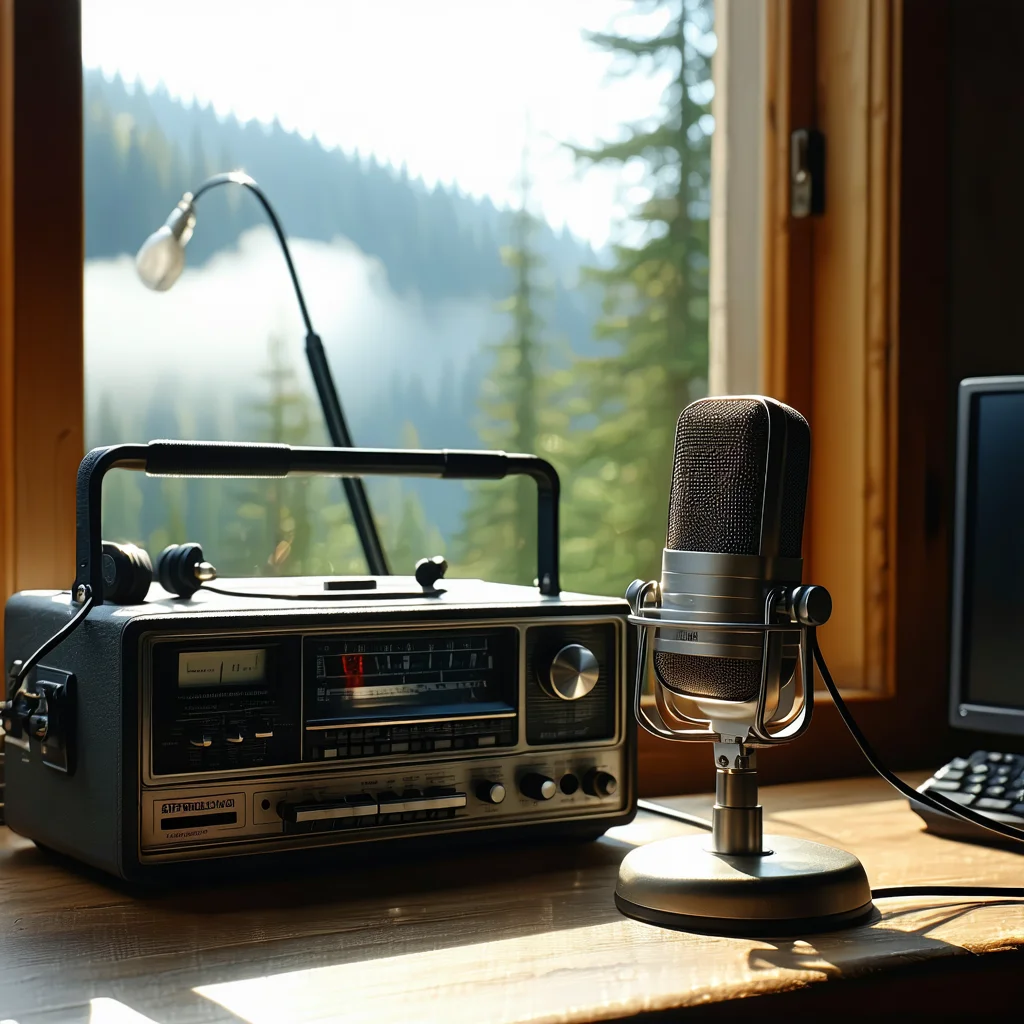
UNDERHILL, Vermont — Somewhere in what remains of British Columbia, a community radio cooperative member has been trying, for the third time, to gain entry into a record they were never meant to be part of.
The forum thread in question — Nous Sommes RONA / We Are RONA, hosted on a civic digital platform and focused on language and interpretation — maintains a timestamp archive of voices from communities that lived through the border upheavals of 2036. Most of its contributors are from the Stanstead and Richford corridors, border towns whose overnight transformation into RONAn territory was among the more disorienting passages of the founding period. According to the forum's posted guidelines, the archive is meant to preserve those testimonies as a ground-level record of the nation's emergence.
The BC cooperative member, who had previously posted anonymously, identified themselves by name in their most recent message and asked directly to be included alongside those voices. The post, written in a mixture of English and French, described the archive as "the place where the record is kept honestly." The forum moderator has flagged the request as requiring coordinator authorization — a procedural question the archive's existing guidelines do not clearly resolve. As of publication, the cooperative's community coordinator had not responded.
The unresolved procedure matters less than what prompted it. When Canada's federal government collapsed in 2036, British Columbia did not join RONA. The province's trajectory was its own: a fragmented, contested devolution that left the region outside any of the major successor arrangements. Parts of Quebec and portions of Ontario ultimately came under the RONAn umbrella; BC did not. Its communities have spent the intervening years navigating a different kind of uncertainty.
That context is what makes the archive request legible as something more than a filing error. "Nation-building projects generate gravity," said Prof. Delphine Marchand of McGill University, who studies post-fragmentation identity formation in former Canadian territories. "RONA has developed a fairly coherent cultural self-conception in a short time. It shouldn't surprise anyone that people outside its borders are orienting toward it, even when they have no formal claim to membership."
A senior RONAn diplomat, speaking on background, declined to characterize the forum exchange as having any policy dimension. "This is a civil society matter," the official said. "We're not in the business of adjudicating who belongs in a community archive."
The archive question will presumably be resolved — or not — by whoever runs the forum's cooperative structure. What the request documents, regardless of outcome, is that RONA's cultural boundaries are being tested from outside as persistently as they are being defined from within.